SFS Stories
Research
-
The future of foreign aid: alternative donors bring different models
Professor Shareen Joshi, associate professor in the School of Foreign Service, highlights the difference in models that comes with alternative development funding from China, the Gulf states or regional development banks.
-
The future of foreign aid: leading the re-imagining
Professor Shantayanan Devarajan encourages the United States to continue to lead in development of ideas for re-imagining aid, regardless of whether its funding contribution has decreased.
-
The future of foreign aid: humanitarian reset in Ukraine
Anna Khandros (GHD’19) reflects on her experience with humanitarian aid delivery in Ukraine that had to quickly adapt when U.S. funding ended overnight.
-
The future of foreign aid: rebuilding better
Raj Kumar (SFS’97), founding president and editor-in-chief of Devex, discusses what kind of opportunities the immense changes provide to improve the way international development and aid are structured and delivered.
-
Five questions about Long COVID and patient activism online
SFS Professor Emily Mendenhall answers questions about Long COVID, vaccine politics and how digital activism has helped Long COVID patients find resources and community.
-
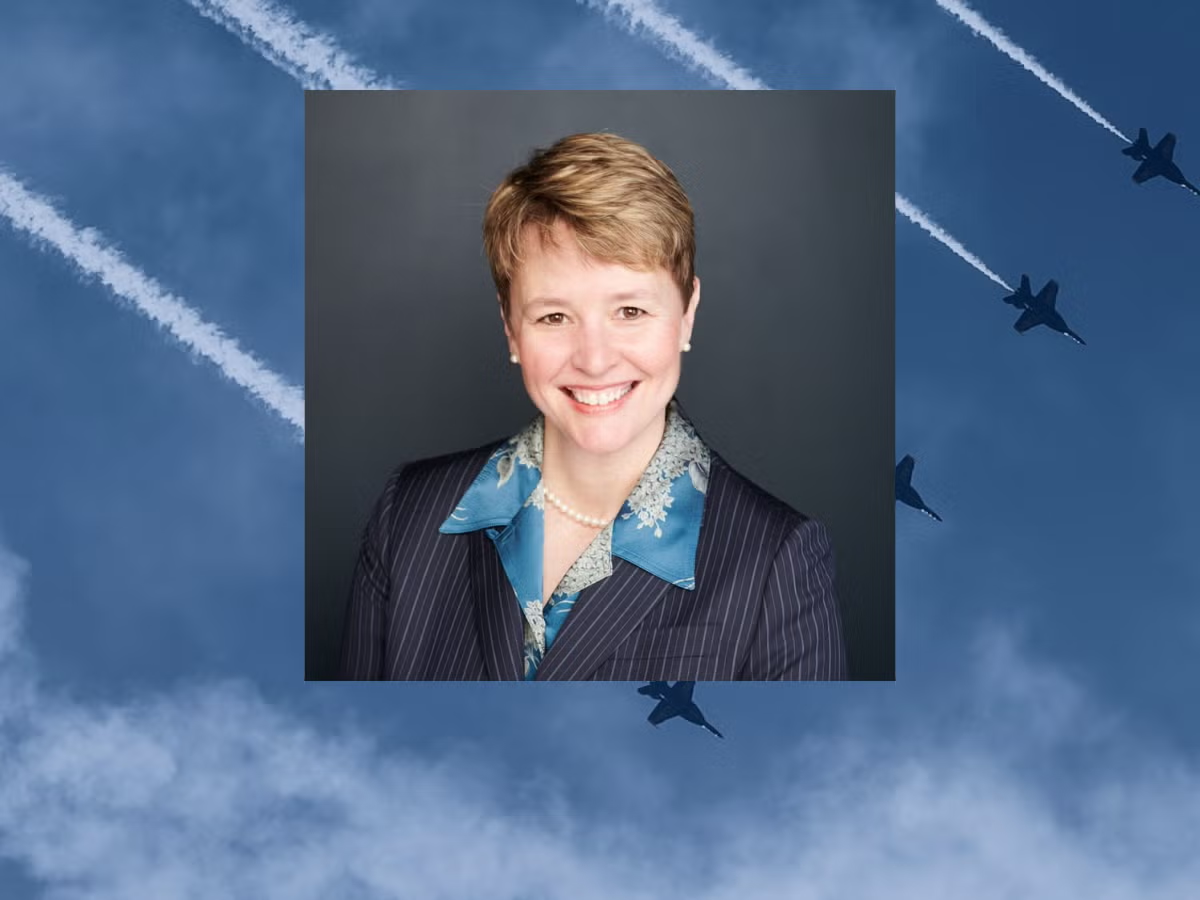
Civil-military relations in the second Trump administration
We spoke with SFS Professor Heidi Urben, professor of the practice at the Center for Security Studies and a retired U.S. Army colonel, to explore these topics.
-
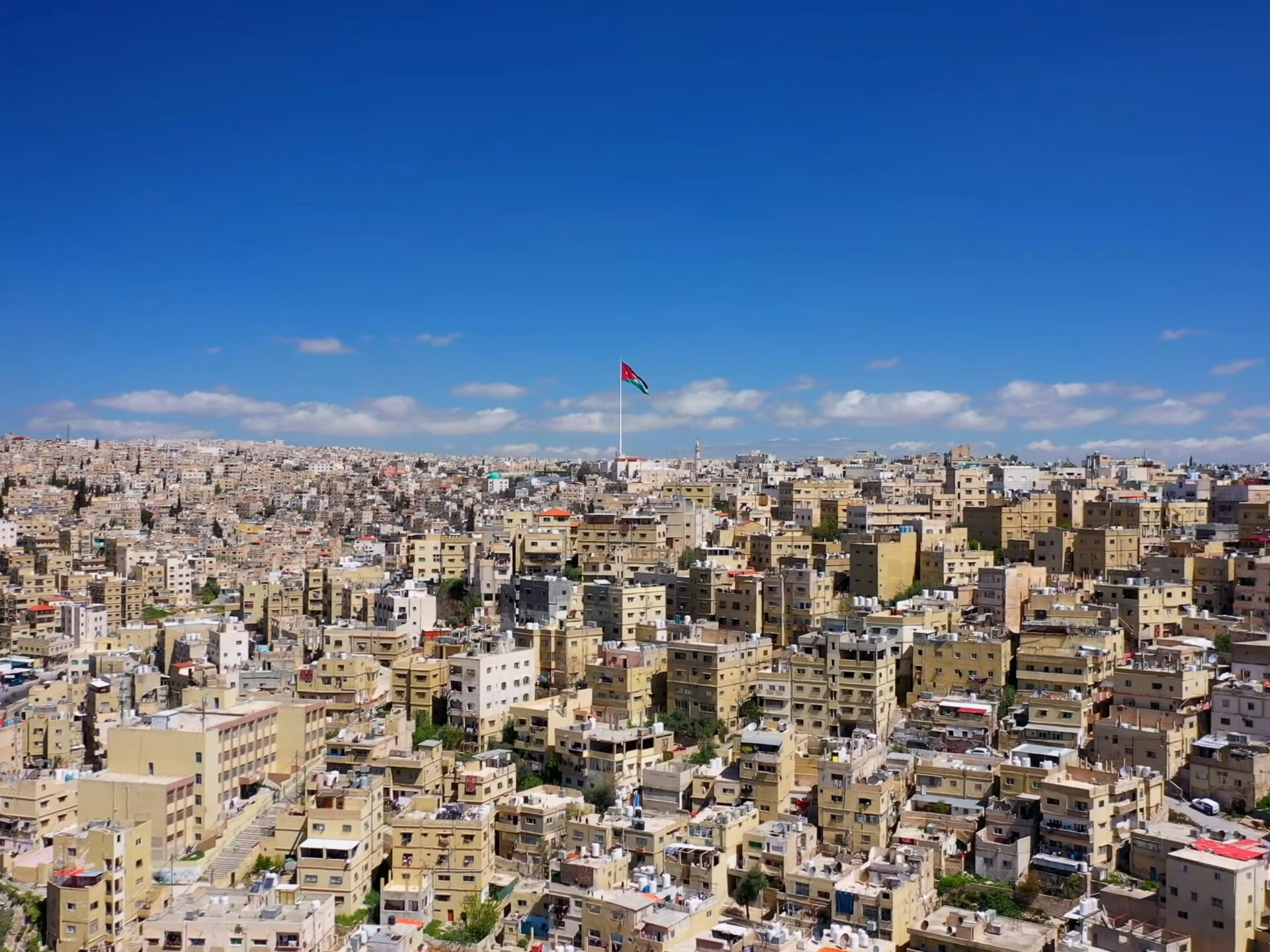
Working Women in Jordan: Education, ambition and creative agency
SFS Professor Fida Adely explores social change in Jordan through the lens of working women in her 2024 book.
-
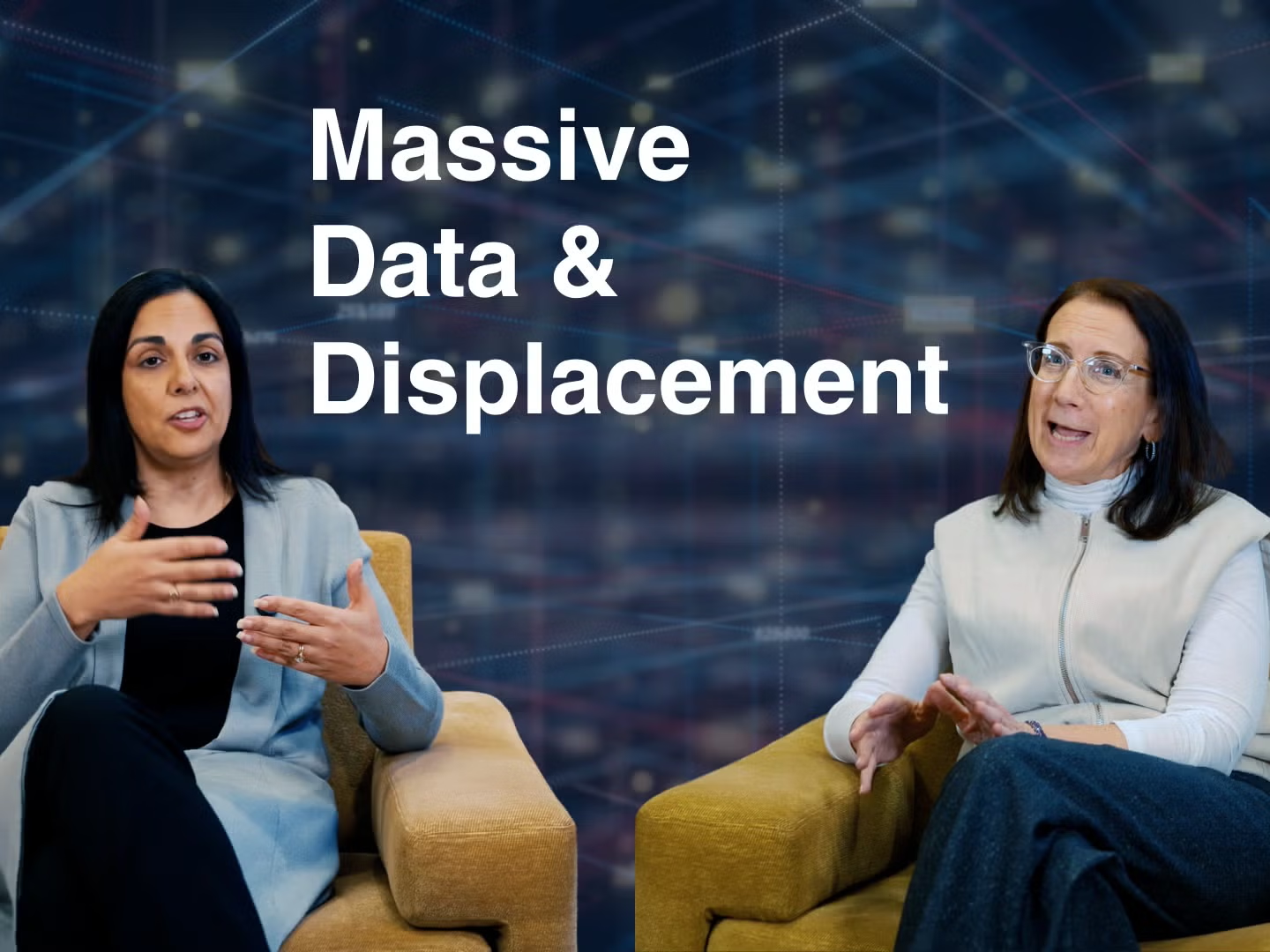
Using Social Media Data to Predict Migration | Massive Data and Displacement
What if social media could predict a migration crisis before it happens? The Massive Data and Displacement (MaDD) project is a collaborative initiative between SFS’s Institute for the Study of International Migration (ISIM) and the McCourt School of Public Policy’s Massive Data Institute (MDI), led by Professors Katharine Donato, Lisa Singh and Ali Arab. In partnership with the United Nations
-
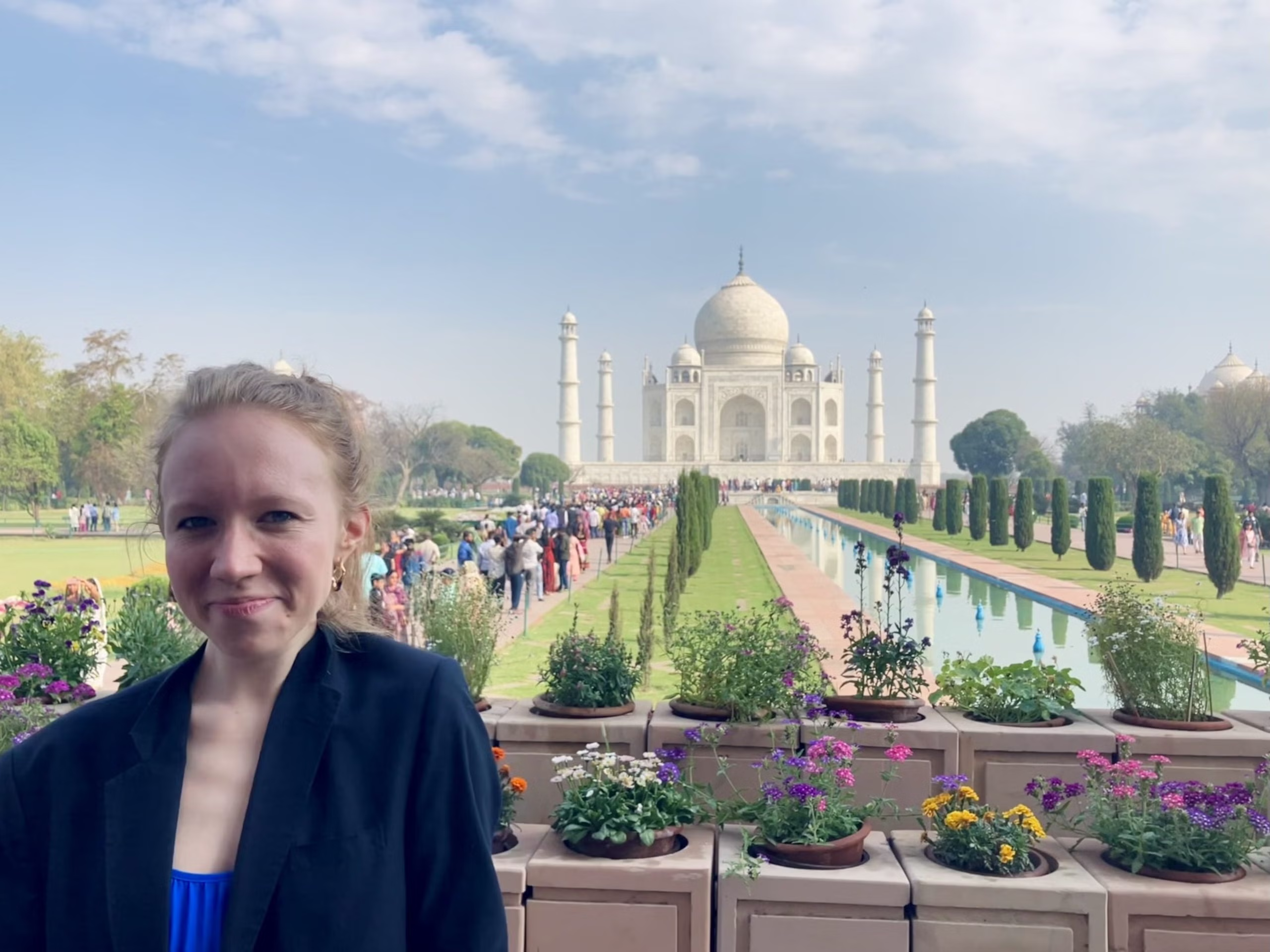
Antonia Baskakov (MSFS’25) represents SFS at Raisina-IE Global Student Challenge in India
“I had the incredible opportunity to attend the Raisina Dialogue in New Delhi, India, one of the world’s leading conferences on geopolitics and geoeconomics,” says Antonia Baskakov (MSFS’25), who traveled to New Delhi for the Raisina-IE Global Student Challenge competition over a week in March. “Hosted by the Observer Research Foundation in partnership with the
-
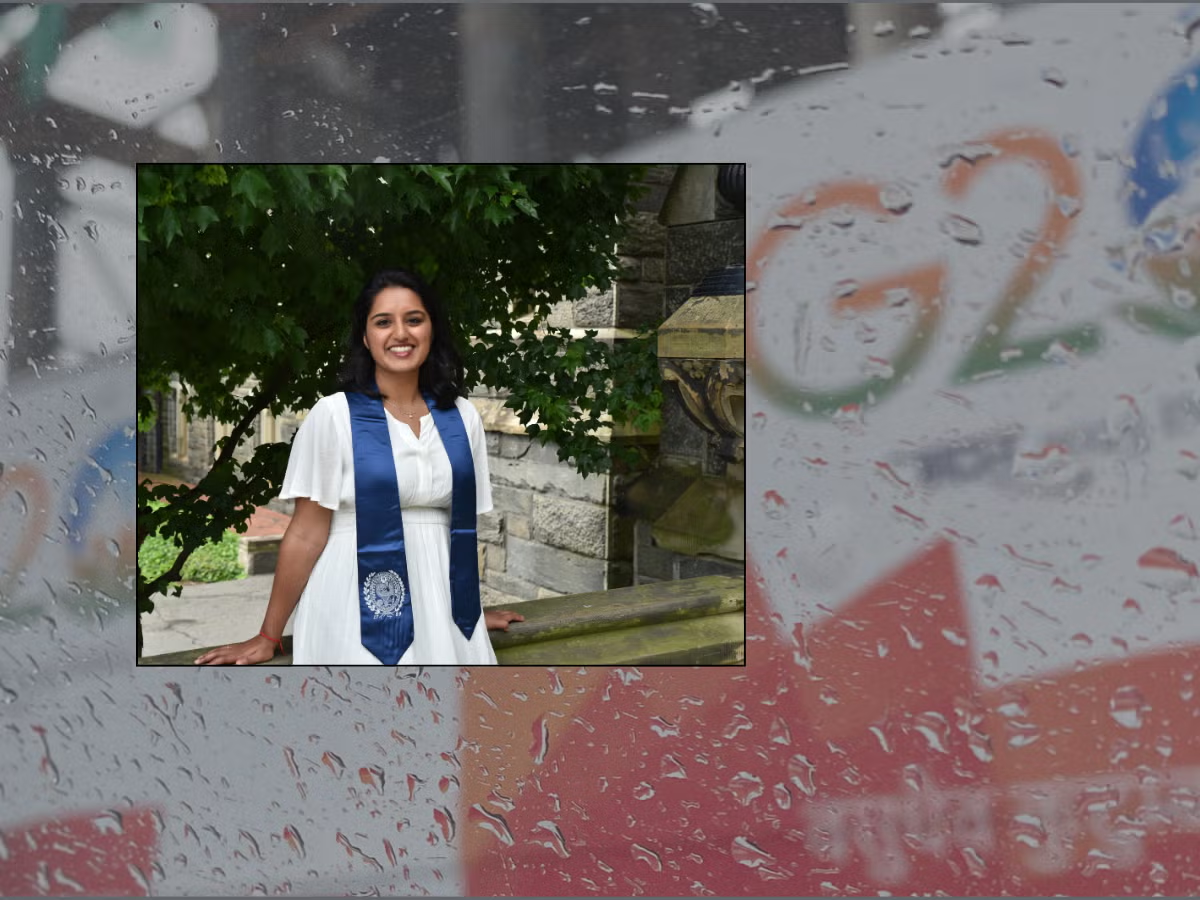
Alumna Kavya Shah on Publishing with a Professor
For Kavya Shah (SFS’24), publishing alongside a faculty mentor became a reality when a piece authored by her and SFS Professor Rebecca Katz was published last fall.