SFS Stories
Research
-
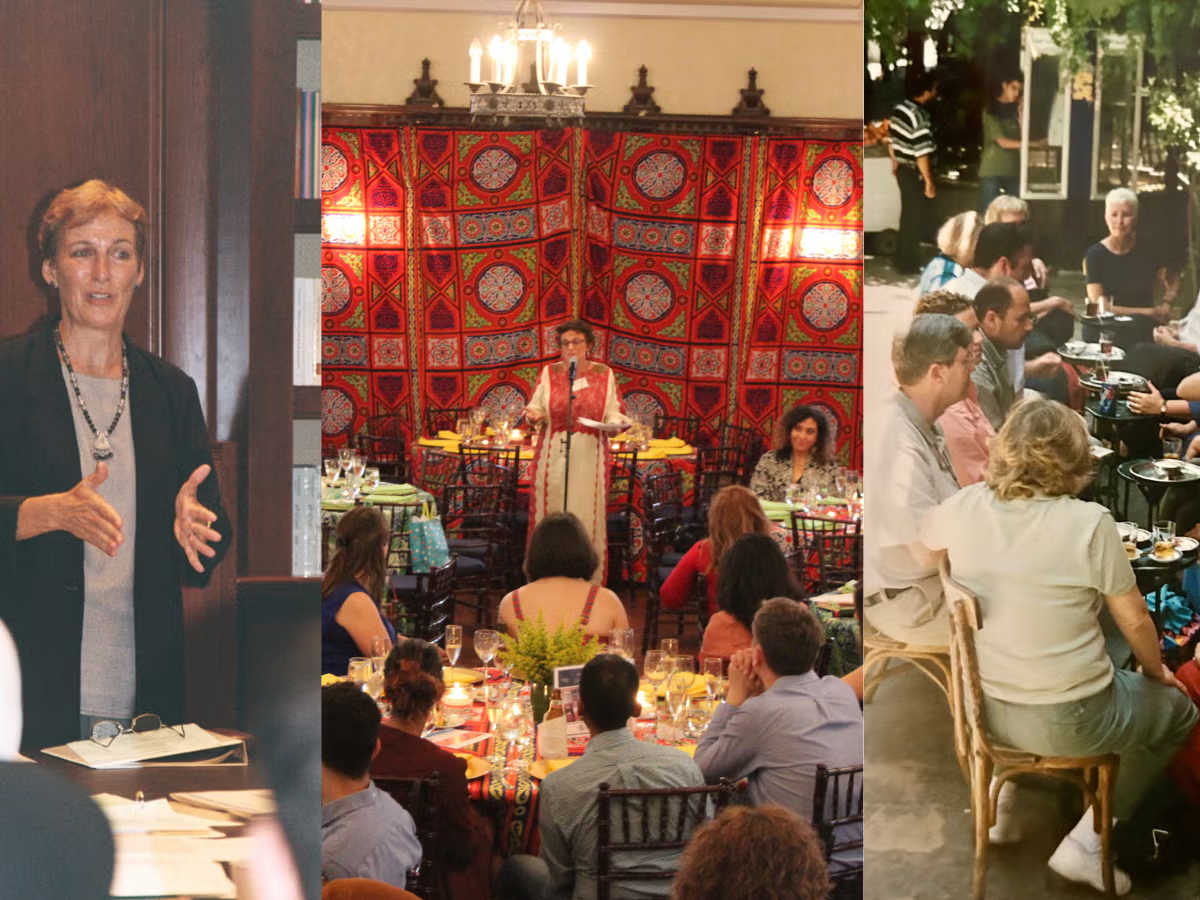
Faculty reflect on 50 years of academic life at the Center for Contemporary Arab Studies
“I’ve been in CCAS for over 20 years and the thing I’m most proud of is how we build community among our students, staff, faculty and followers to welcome difference, learn broadly and in depth and support each other,” says Professor Rochelle Davis, Sultanate of Oman Chair and associate professor in the School of Foreign…
-

Five questions about India’s R&D tax credit
SFS Professor Rubina Verma explains her research on how India’s R&D tax credit affects national innovation and why it matters for the global economy.
-

Bad Bunny at the Superbowl: Five questions for Melinda González about the impact
In a winter awash with heightened emotion over immigration in the United States—including the shootings of two U.S. citizens in Minneapolis, Minnesota, by U.S. federal agents and arrests by Immigration and Custom Enforcement (ICE) reaching almost 400,000 immigrants in the first year of the Trump Administration—Puerto Rican pop star Bad Bunny took to the Super
-

Five questions about domestic terrorism and the violence in Minneapolis
In January 2026, two U.S. citizens, Renee Good and Alex Pretti, were shot by U.S. federal agents in Minneapolis as part of local protests against U.S. Customs and Border Protection and Immigration and Customs Enforcement. In describing the circumstances surrounding their deaths, Trump Administration officials used the term “domestic terrorism.” What defines “domestic terrorism” under
-
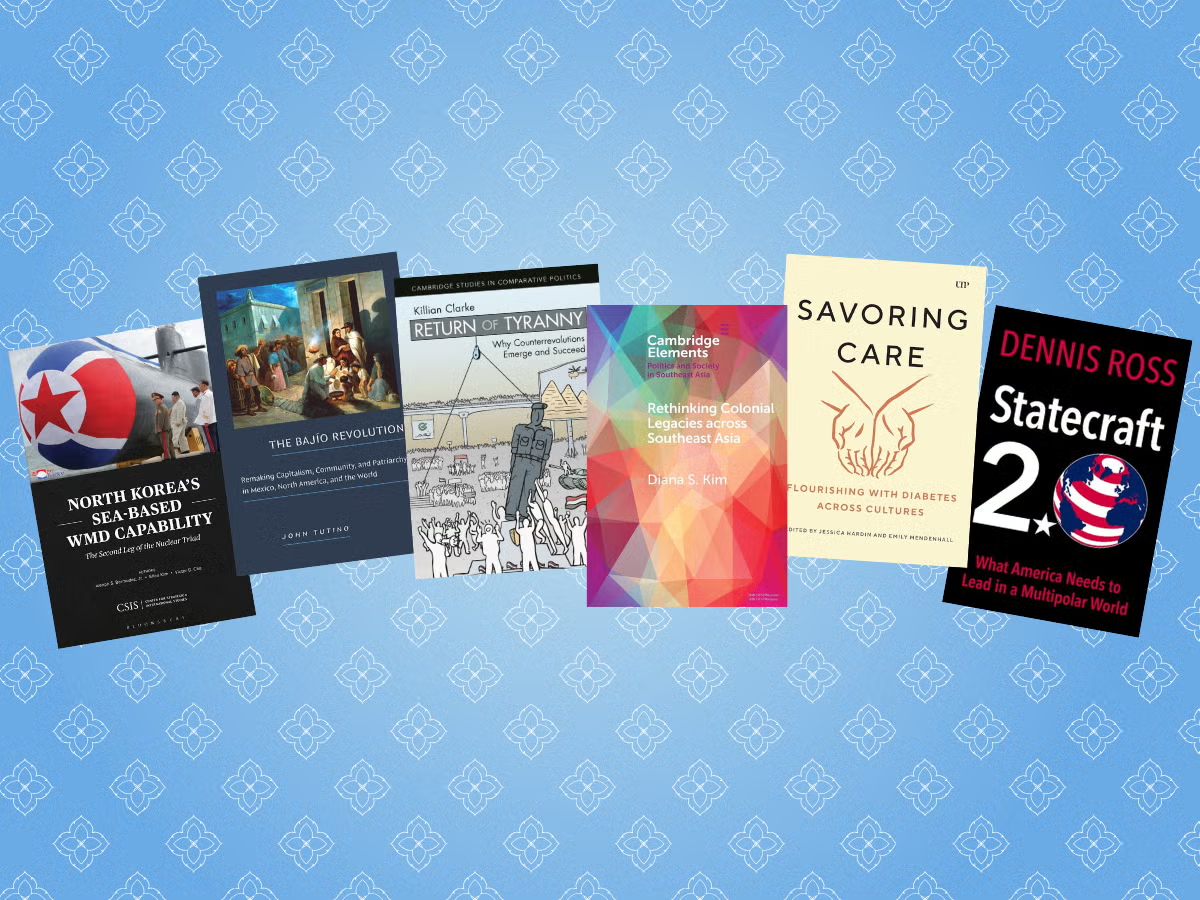
SFS faculty publish six new books in 2025
SFS faculty published a variety of books in 2025 that spanned academic disciplines and unique global issues from global power dynamics to public health.
-
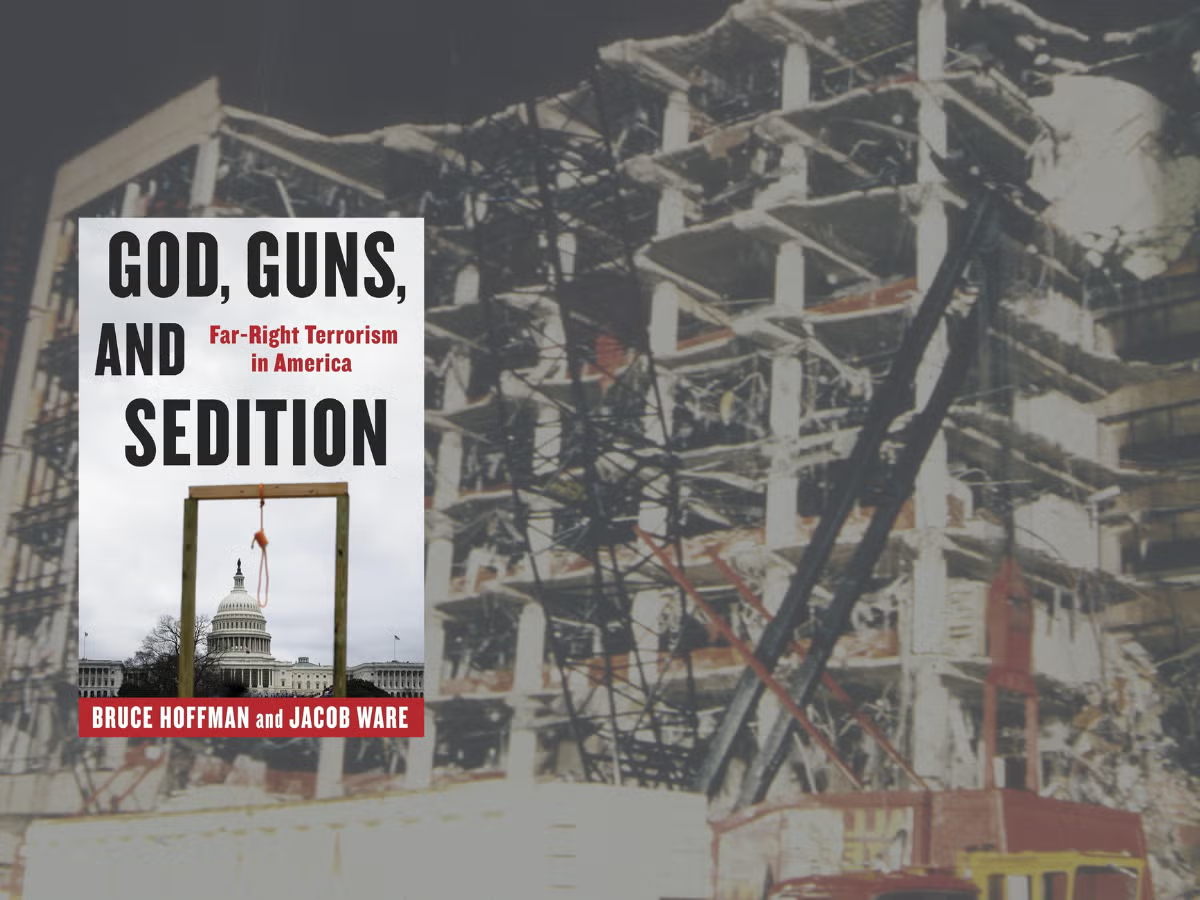
Seven questions about political violence for the authors of “God, Guns, and Sedition: Far-Right Terrorism in America”
Authors Bruce Hoffman and Jacob Ware answered seven questions to help explain the longer, larger context surrounding the Charlie Kirk assassination and the environment of political violence present in U.S. culture and life.
-
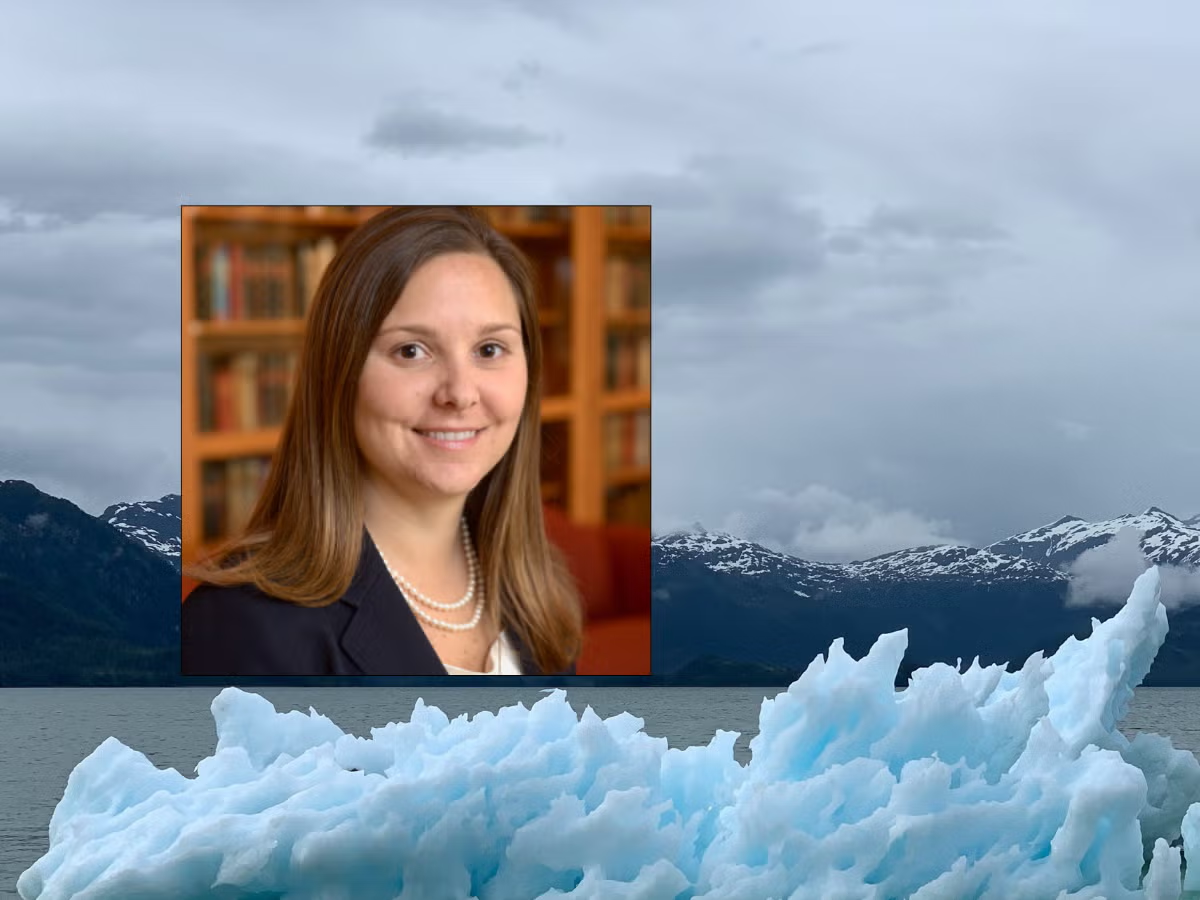
SFS Professor Joanna Lewis selected as a lead author for the UN’s climate science body
SFS Professor Joanna Lewis has been selected as a lead author for the UN’s Intergovernmental Panel on Climate Change (IPCC) as it approaches the creation of its Seventh Assessment Report.
-
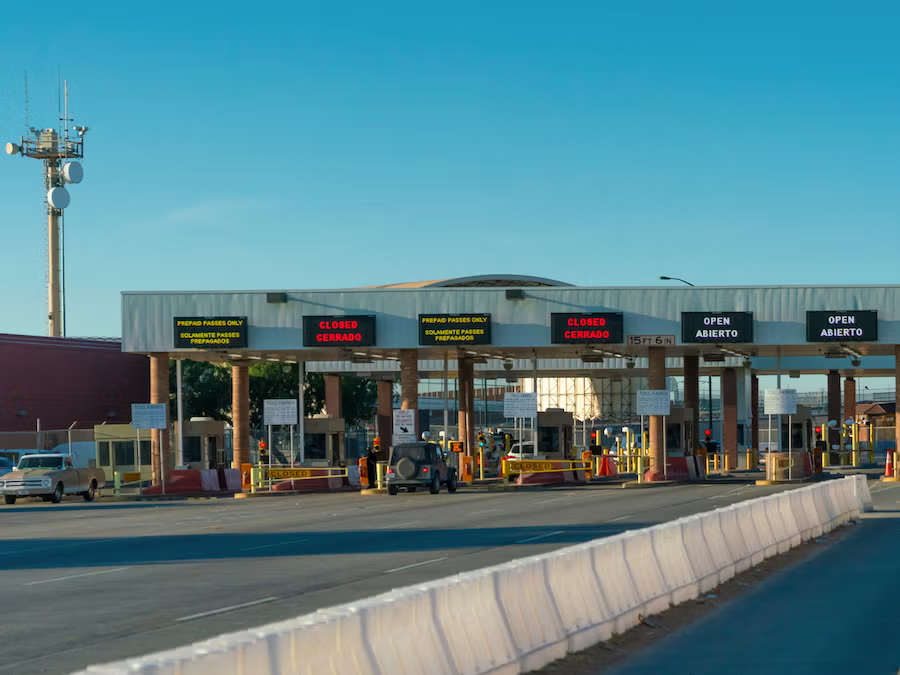
Immigration and border policies: Anna Maria Mayda examines the economic consequences of President Trump’s executive orders
Professor Anna Maria Mayda explores the short and long-term implications of President Trump’s immigration policies.
-
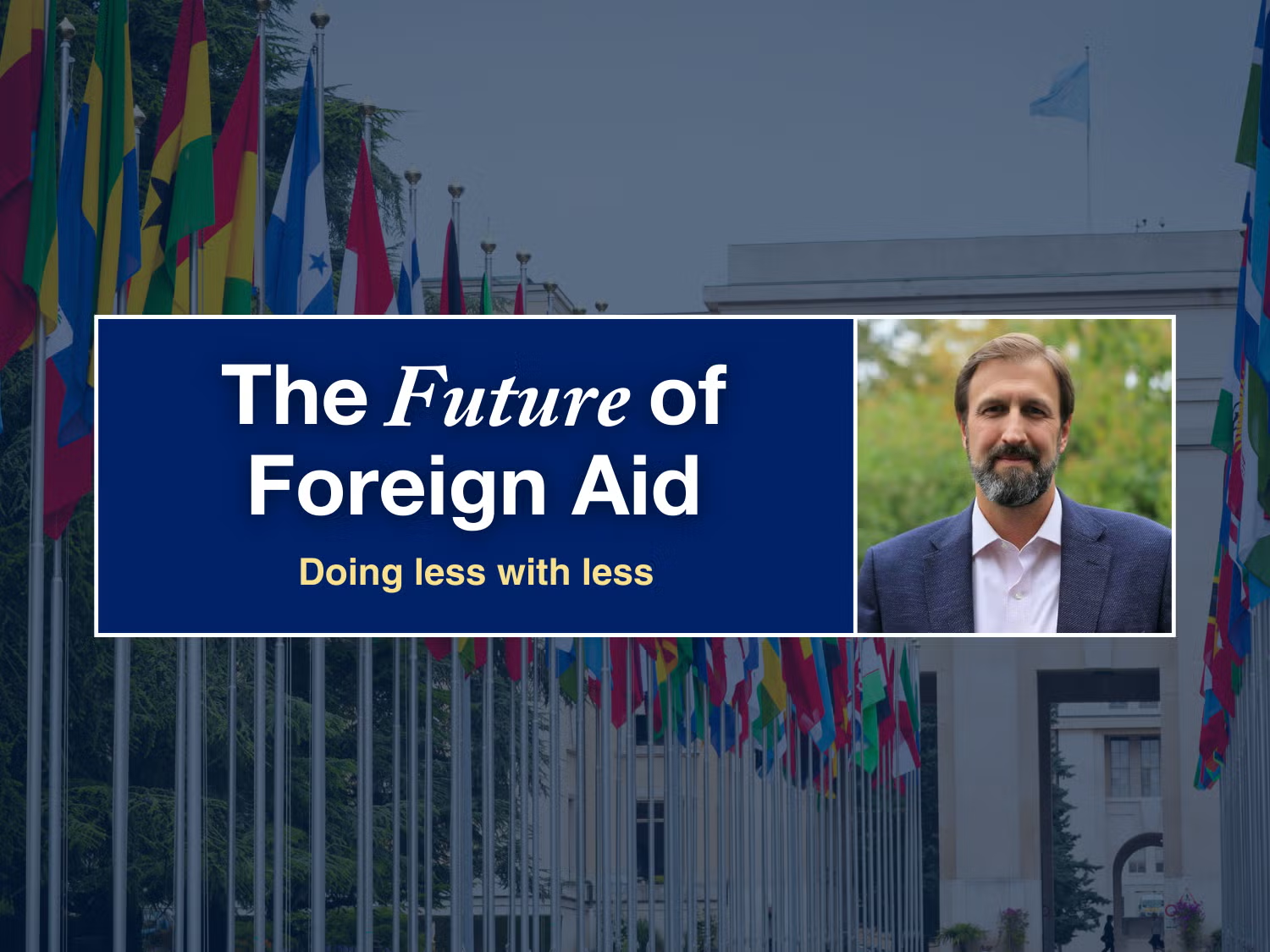
The future of foreign aid: doing less with less
Jeremy Konyndyk (MSFS’03) urges the humanitarian sector to use this drastic funding shortage to do with less by focusing on localization, rethinking the humanitarian financial architecture and mustering the political will to let go of traditional habits and turf battles.
-
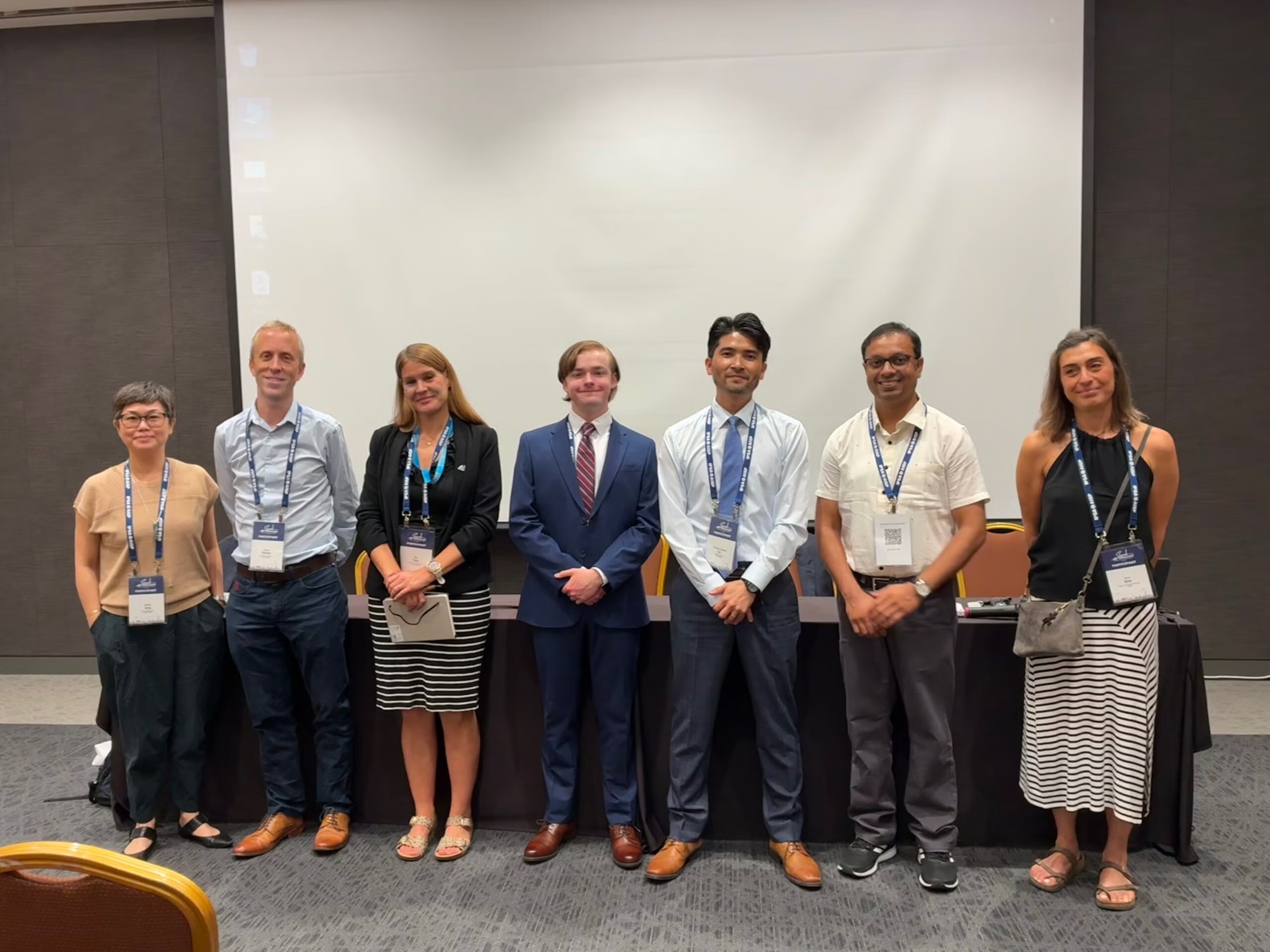
Harrison Brown (SFS’27) presents original international relations research in Seoul
In July, Harrison Brown (SFS’27), an international politics major, presented an original research paper at the 2025 International Political Science Association Conference in Seoul, South Korea.