

Ever since his undergraduate days studying International Relations at Parahyangan Catholic University in Bandung, Indonesia, Rizky Adi “Kiki” Kurniawan had set his sights on Georgetown University. That ambition deepened during his time at the U.S. Embassy in Jakarta, where he worked alongside several Georgetown alumni and saw firsthand how their academic training shaped their work in diplomacy and public service, along with their willingness to mentor younger colleagues like himself.
“The School of Foreign Service has long been recognized as one of the world’s leading institutions for the study of foreign policy and international affairs,” he says. “Georgetown has shaped generations of diplomats and policy practitioners, and I was drawn to the opportunity to learn in such an environment.”
Kurniawan was awarded a full scholarship from the Indonesia Endowment Fund for Education (LPDP), which has recently developed partnerships with Georgetown to help cultivate the next generation of Indonesian policymakers and global leaders. This May, he will walk across the stage at his graduation ceremony as part of the second cohort in the Master in Diplomacy and International Affairs program, with plans to return to Indonesia and support the implementation of its strategic partnerships and engagement in the Indo-Pacific.
From Bandung to the world
Kurniawan grew up in Bandung, a city known for hosting the historic 1955 Asian-African Conference, which championed anti-colonialism, non-alignment and peace, and later inspired the formation of the Non-Aligned Movement.
In 2021, he moved to Jakarta to work for the Indonesian Defense Ministry, assisting research on regional security issues in the South China Sea and Myanmar. He then joined a nuclear security research project at the Centre for Strategic and International Studies (CSIS). He later gained experience with the U.S. Embassy in Indonesia and then AIESEC, a youth-run, nonprofit organization focused on developing leadership potential through volunteering, international internships and teaching programs. Kurniawan now works with the foreign and security policy team at the British Embassy in Jakarta.

When asked about mentors who shaped his path, Kurniawan credits his former supervisor, Waffaa Kharisma at CSIS, with pushing him beyond his comfort zone. Kharisma also taught him how to approach research and policy analysis with rigour and curiosity, offering guidance and encouragement during challenging moments in his undergraduate years, including while writing his thesis. He also encouraged Kurniawan to pursue graduate studies at Georgetown and apply for the LPDP scholarship—a decision Kurniawan describes as “deeply transformative.”
“Working under him during my early experience in the think-tank world exposed me to a wide range of policy issues, from Indonesia’s G20 Presidency to nuclear safety and security,” he says. “I am grateful that our professional relationship has continued to evolve.”
Kurniawan chose the MDIA program not only because it aligns closely with his work in diplomacy and regional policy, but also because of its intensive design for early- and mid-career professionals seeking to deepen their understanding of global affairs. As someone working in foreign policy and geopolitics, he says the program offered a valuable opportunity to step back from professional responsibilities and reflect on the broader challenges shaping international relations today.
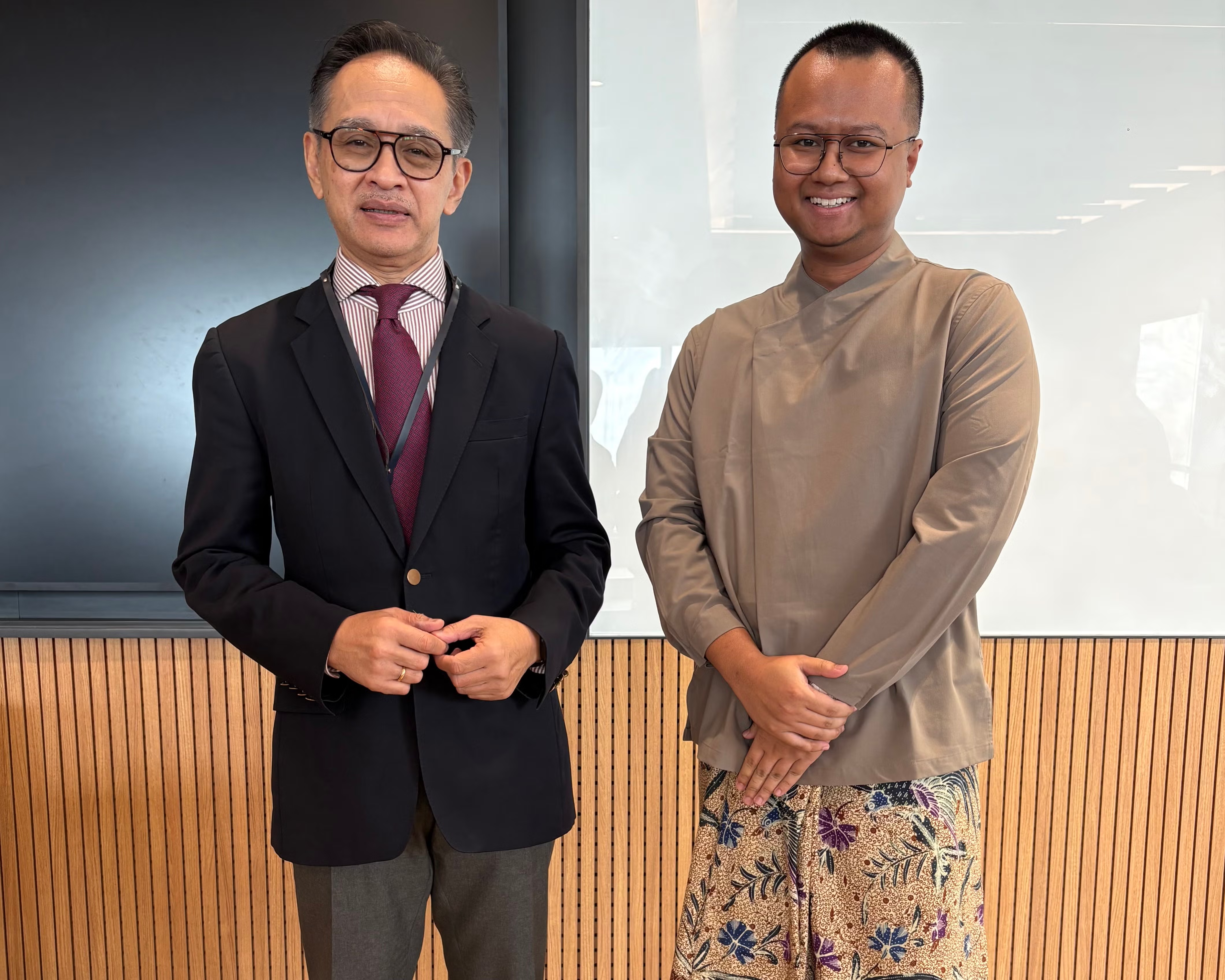
Despite the rigorous class schedule—often running from nine to five—its pace is what makes the experience so rewarding, he says, noting that students are immersed in a comprehensive curriculum that blends academic learning with practical policy discussions in less than a year. He also valued opportunities to learn directly from foreign policy experts and practitioners whose work has shaped real-world diplomatic and security decisions, such as former Indonesian Foreign Minister Marty Natalegawa, former White House senior official and SFS Professor Michael Green and Ambassador Barbara Bodine, whose insights brought classroom discussions to life.
But what makes the program valuable, he says, is its practical orientation.
“The program equips students not only with theoretical frameworks but also with insights that are directly applicable to professional work in diplomacy, government and international affairs,” he says.
Alongside 28 fellow students, Kurniawan studied foreign policy, economic diplomacy and global leadership across Georgetown’s campuses in Jakarta, Doha, Qatar and Washington, DC. One of his favorite classes was Geoeconomics and China with Professor Jessica Liao, which allowed him to connect his professional experience and prior knowledge of China with theoretical frameworks such as industrial policy, while also exploring issues including the Belt and Road Initiative and Chinese investment in Indonesia.
He also enjoyed Professor Elizabeth Grimm’s International Law course, which encouraged him to question how international law is interpreted and applied in complex and often contested geopolitical situations, such as the Myanmar crisis or the conflicts in Gaza. Together, these courses expanded his interests, particularly in understanding how economic tools, legal frameworks and geopolitical competition interact in shaping global affairs.
“These discussions made me more attentive to the strategic implications of international law and geoeconomic statecraft, especially in relation to China and the Indo-Pacific region,” he says, adding that his time at Georgetown strengthened his commitment to contributing to Indonesia’s engagement with the world and to helping bridge perspectives between Southeast Asia and the broader international community.
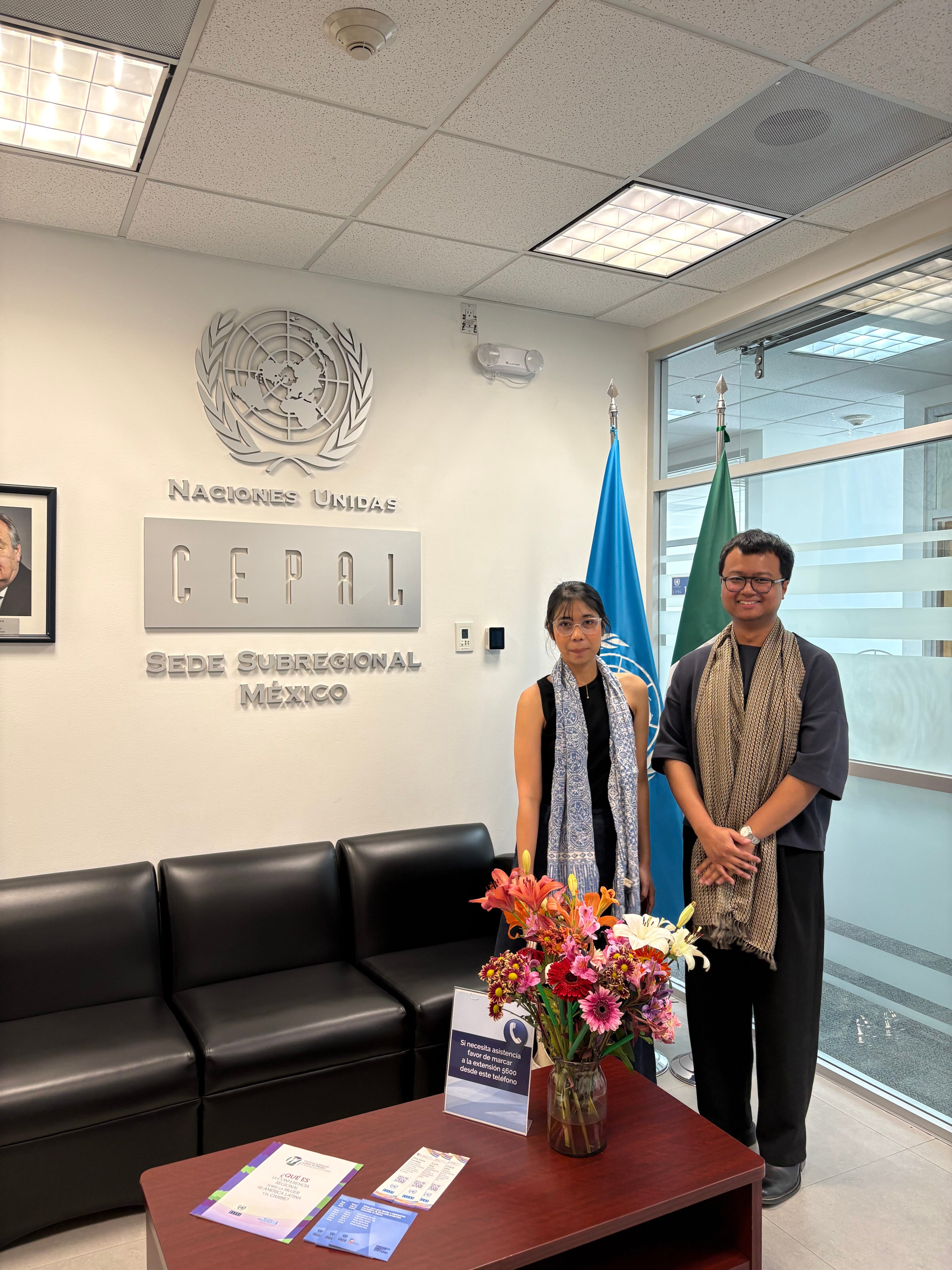
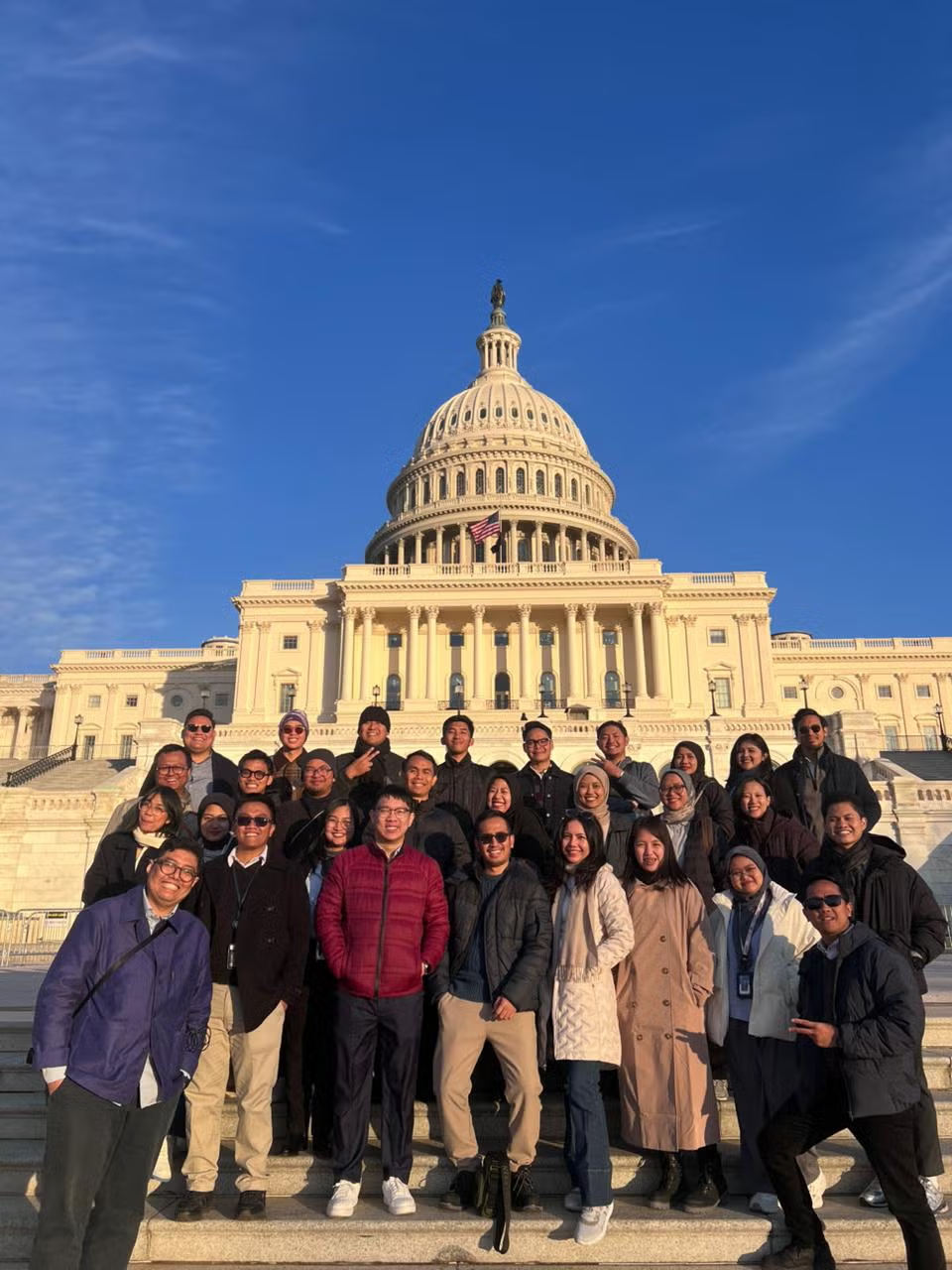
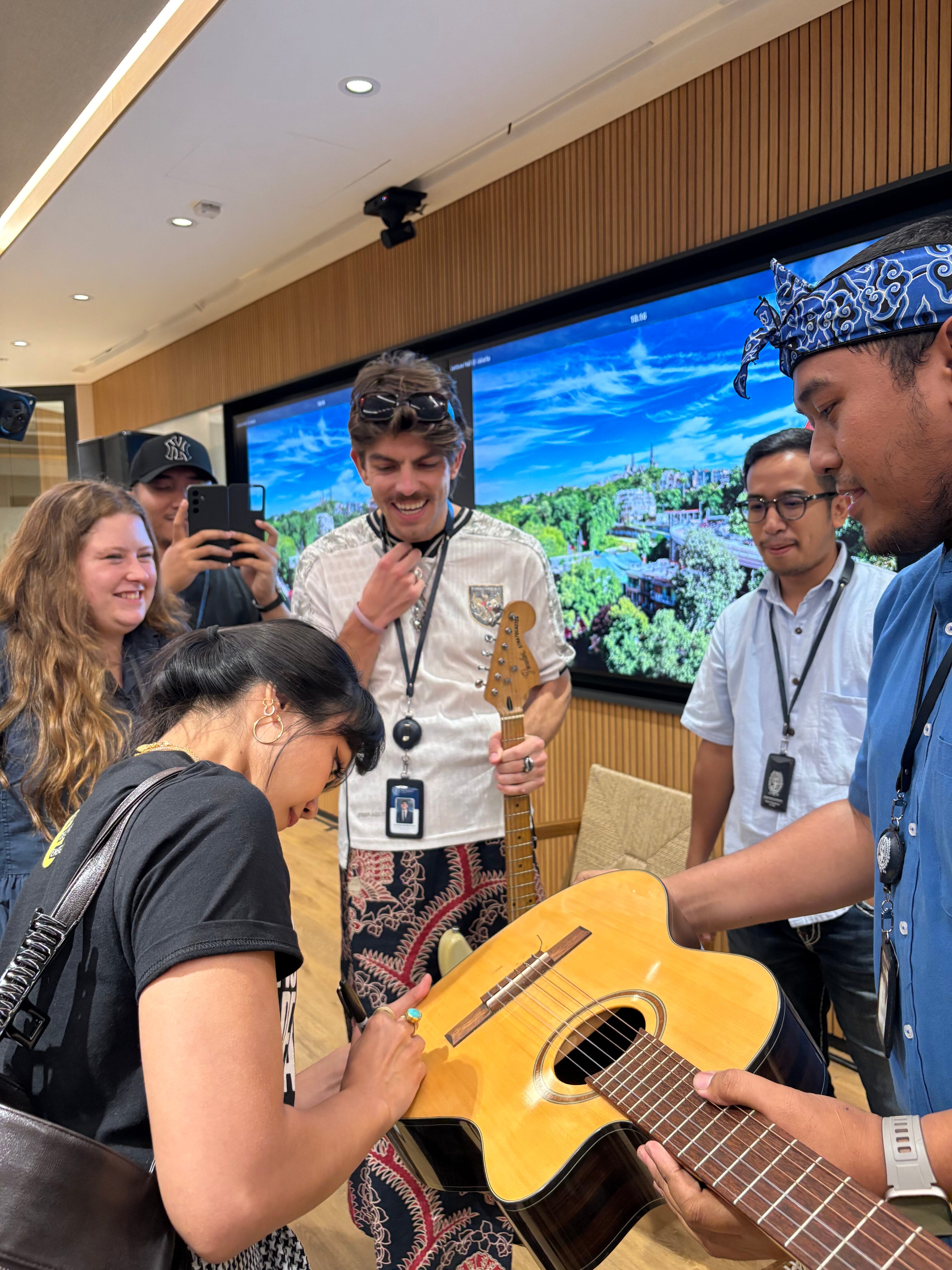
While his core academic and professional interests did not change significantly during his time at Georgetown, the experience deepened and sharpened them.
“Studying alongside classmates from diverse professional and cultural backgrounds encouraged me to think more critically about Indonesia’s place in an increasingly complex international system,” he says. “It also motivated me to engage more seriously with questions surrounding Indonesia’s foreign policy and the broader dynamics shaping Southeast Asia.”
Bridging global campuses and policy communities
During his semester at Georgetown’s Hilltop campus, Kurniawan actively participated in events hosted by the Institute for the Study of Diplomacy, which regularly brought senior U.S. foreign policy practitioners and scholars to the Hilltop. The discussions he had with them provided valuable opportunities to deepen his understanding of contemporary diplomatic challenges, he shares.
While he did not hold a formal off-campus position, Kurniawan made the most of the vibrant Washington, DC, policy ecosystem by engaging with the broader foreign policy community. Besides connecting with former colleagues and think-tankers at CSIS and the Atlantic Council, he also attended an event organized by Young China Watchers, where he met fellow analysts and scholars interested in China and regional geopolitics. These experiences, he says, allowed him to “remain connected to real-world policy debates while studying at Georgetown.”
He also supported several engagements surrounding the official inauguration of the Georgetown Jakarta campus, including a dinner with members of the Board of Trustees and senior Indonesian figures who have been instrumental in supporting the establishment of the campus. Opened in January 2025, the site marked a milestone as the university’s first branch location in Indonesia and its newest academic hub in the Asia-Pacific region.

“On the inauguration day itself, I was proud to witness the event attended by distinguished representatives from government, civil society organisations and the business community,” he says. “Seeing Georgetown formally establish its presence in Indonesia was a truly historic moment, and being able to contribute, even in a small way, made me especially proud to be a Hoya.”
One of his favorite memories, however, was hosting a Thanksgiving lunch at GSAP. With the help of his classmates and several American students from the Georgetown Semester in Jakarta program, Kurniawan introduced the tradition of Thanksgiving to his Indonesian classmates and faculty, while also showing some appreciation to our American friends who were away from their families during the holiday. “Moments like this reminded me how much I enjoy being a cultural bridge—bringing people together, sharing traditions, and creating spaces where different cultures can connect and learn from one another,” he says. “These experiences made Georgetown not only an intellectually stimulating environment, but also a deeply supportive community.”
From Georgetown to a global stage

As graduation approaches, Kurniawan says he’ll miss many things—the friendships he built with his classmates and the people he’s met throughout the program, as well as the moments they shared together. He’ll also miss the everyday rhythm of life at Georgetown: learning from outstanding faculty, working out at the school gym or simply walking through campus—the small but meaningful moments that made Georgetown “feel like a very special place to learn and grow,” he says.
After graduation, he plans to return to the Foreign, Commonwealth and Development Office at the British Embassy in Indonesia, where he hopes to continue contributing to the implementation of the U.K.-Indonesia Strategic Partnership, particularly within the defense and security pillar. He credits his time at SFS with sharpening his understanding of the geopolitical and geoeconomic dynamics shaping the Indo-Pacific, while equipping him with the analytical frameworks and policy insights necessary to support stronger strategic cooperation between Indonesia and its international partners.
In the long term, he hopes to work in a multilateral setting, contributing to stronger international cooperation in an increasingly complex and fragmented global order.
“At a time when global governance structures are being tested, I believe constructive engagement from countries like Indonesia and other members of the Global South will be increasingly important,” he says. “Ultimately, I hope to contribute to elevating Indonesia’s role on the international stage while fostering deeper cooperation through multilateral institutions to address global conflicts, promote stability and strengthen inclusive international partnerships.”