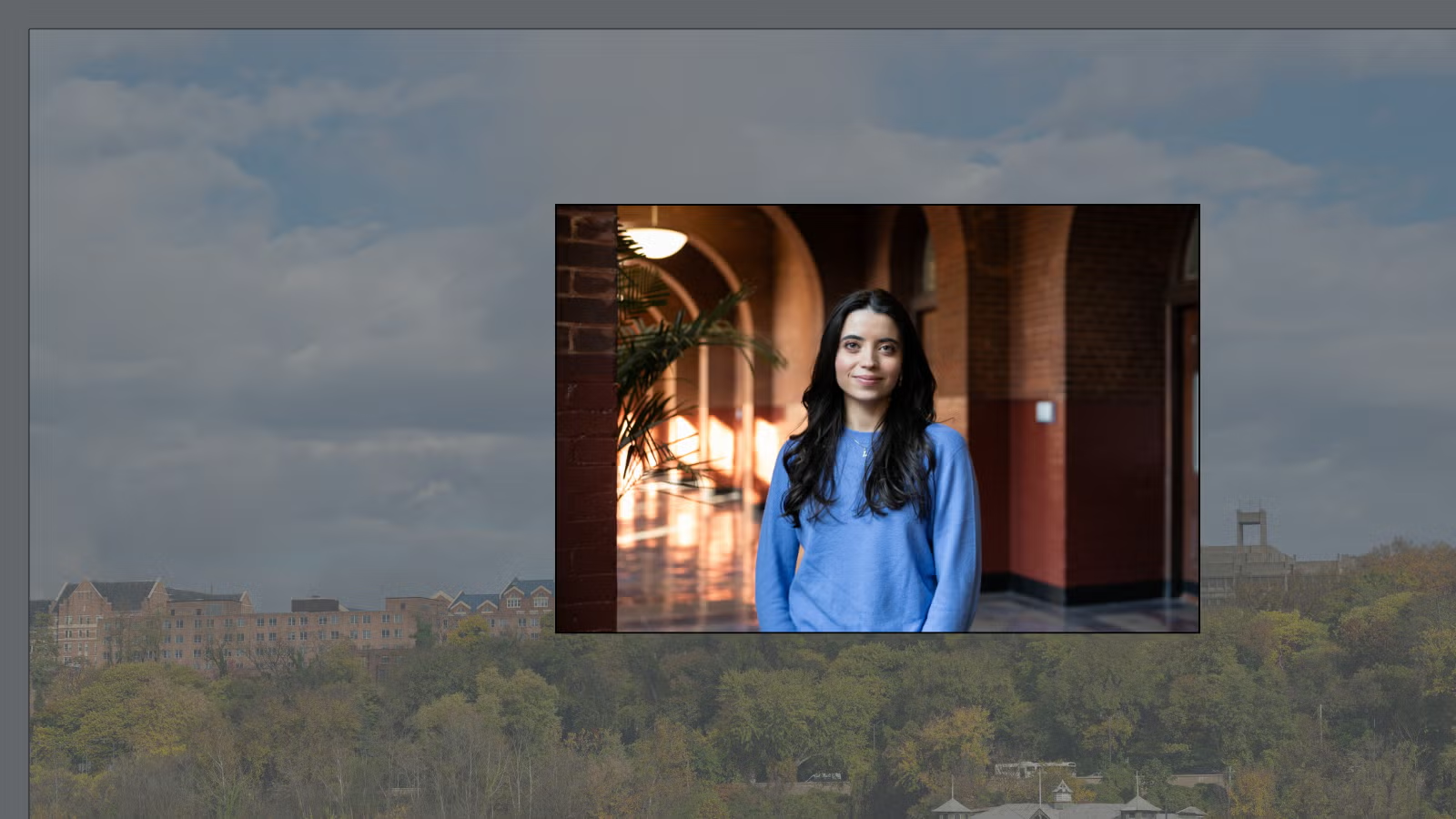
This fall marks the first graduation ceremony for the Master of Arts in International Migration and Refugees (MIMR) program, now in its second year. Graduating in MIMR’s inaugural cohort, Luciana Dahdah (MIMR’26) has channeled her dedication to migration into opportunities for refugees and migrants from Latin America.
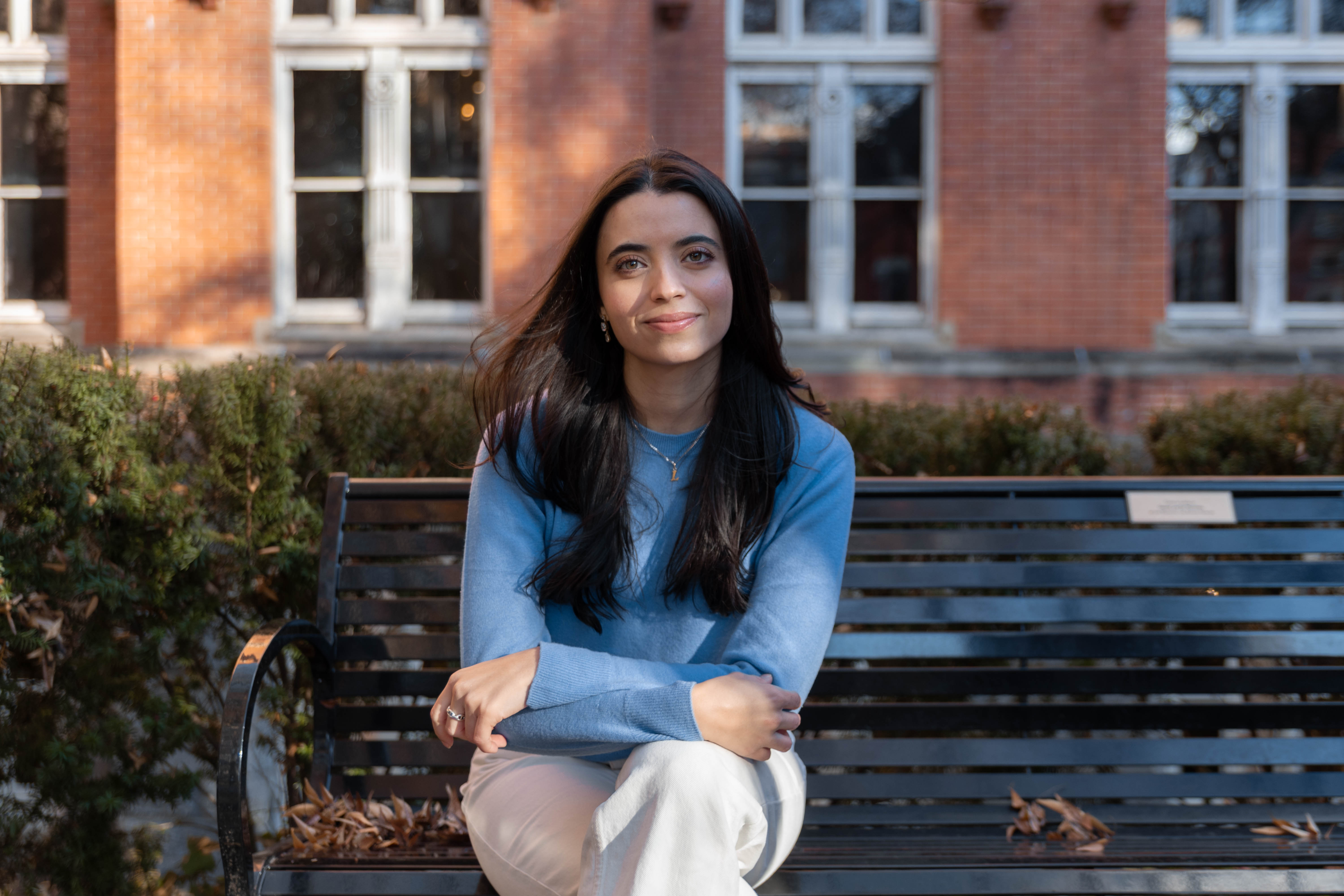
Growing up in Guatemala and Mexico and migrating to the U.S. at a young age, Dahdah has a personal understanding of the importance and challenges of adapting to new environments and cultures. As she prepares to graduate, she remains focused on creating opportunities for migrant and refugee youth to foster empowerment and belonging.
“Young Luciana would be proud. Big dreams, hard work and staying true to herself have carried her farther than she ever imagined,” she says.
Lessons, mentors, and memories
Dahdah first came to Washington, DC, to work at the UN’s International Organization for Migration (IOM). She heard about the MIMR program and quickly realized that becoming a Hoya was her next big step.
“The combination of Georgetown’s academic rigor and DC’s policy ecosystem made advancing my expertise on such a pivotal global issue both strategic and well-aligned. Latin America is home, and Georgetown’s emphasis on the region—through faculty research, courses and campus events—fits my interests and goals,” she explains.
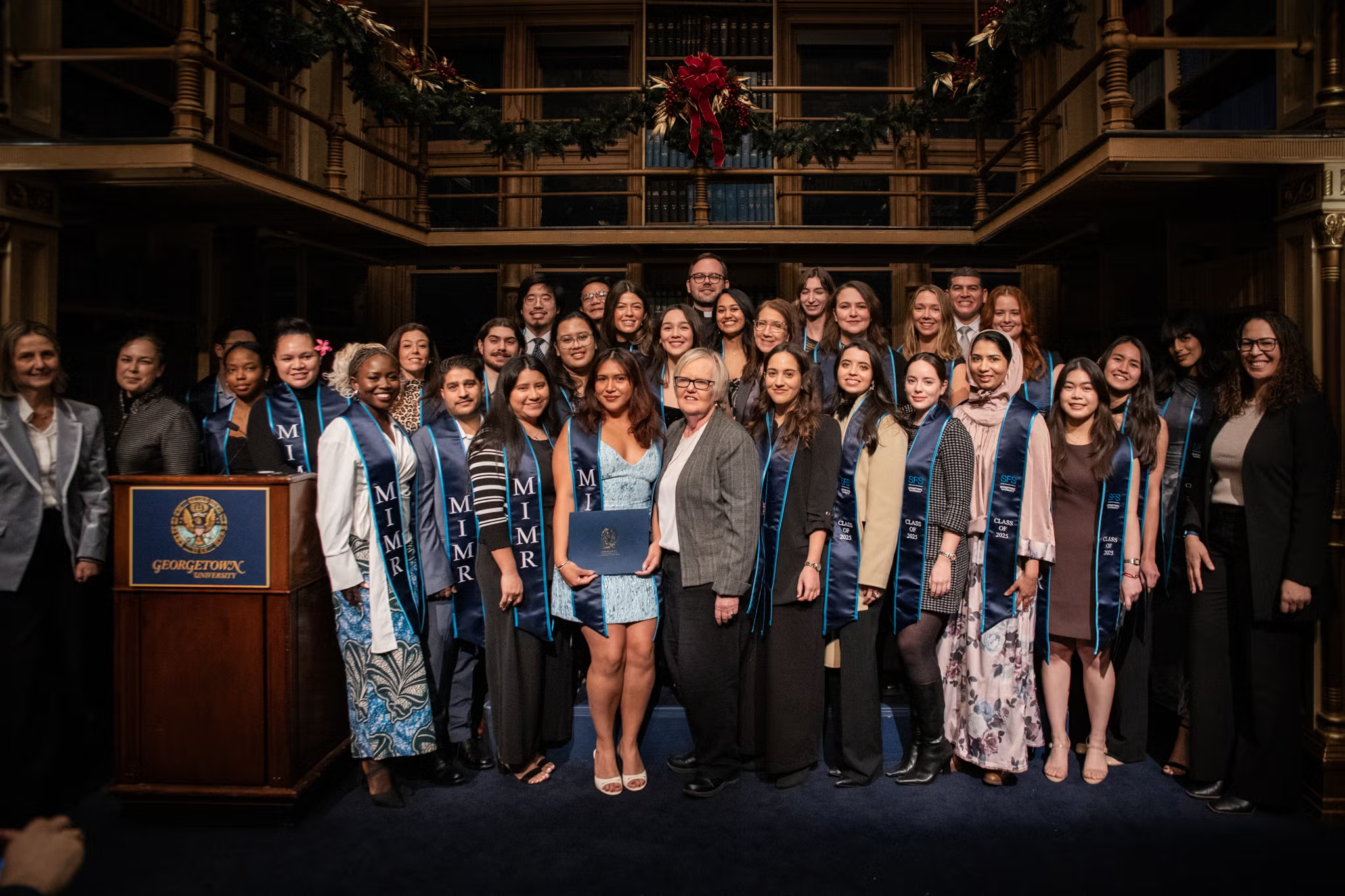
Dahdah entered the MIMR program as a recipient from a national scholarship for graduate studies in sciences and humanities abroad granted by the Mexican government.
“I centered my proposal on strengthening protections for migrant children through a cross-border lens, examining policy and practice in both Mexico and the United States. That mandate has guided my coursework, research and partnerships, anchoring my time at Georgetown in a tangible, binational way,” she says.
Under the mentorship of Katharine Donato, Georgetown Vice Provost for Faculty and Donald G. Herzberg Professor of International Migration at SFS, Dahdah spent 18 months learning from her expertise on the intersection of migration and children’s issues.
“It was a privilege to learn from and work alongside her in Mexico City conducting interviews for the Transit Migration project. I’m deeply grateful for her steady guidance, thoughtful mentorship and consistent support,” Dahdah says of Donato.
Preparing for her next chapter, Dahdah reflects on how her time at SFS expanded her perspective: “My core interests were reinforced, but Georgetown broadened my lens.”
She also credits the MIMR program as a unique, interdisciplinary opportunity to prepare for migration work: “MIMR meets that complexity head-on, including concentrations in Migration Analytics and Humanitarian Practice, allowing students to tailor their training toward data-driven policy or frontline program design and implementation.”
Connecting theory to practice
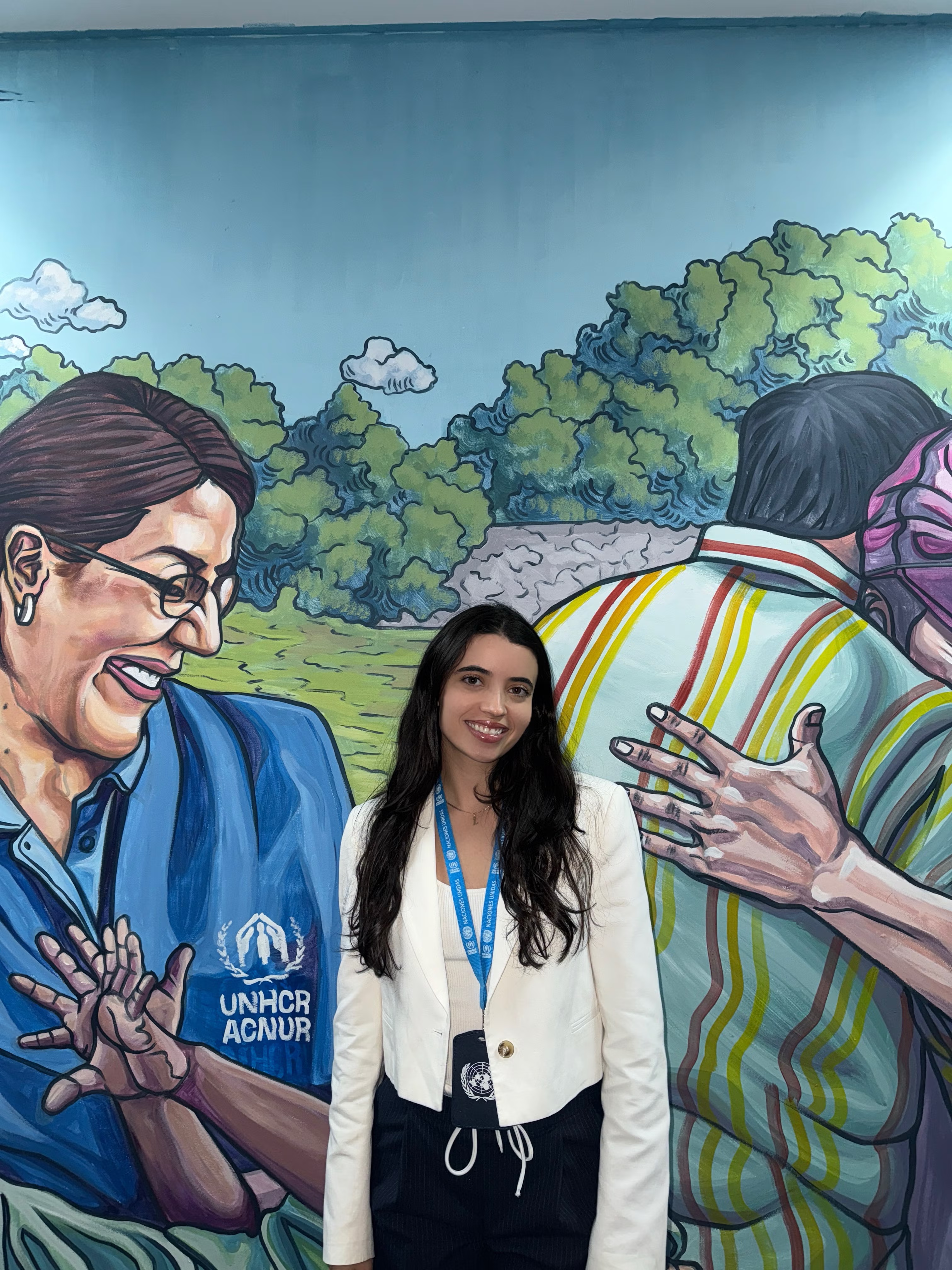
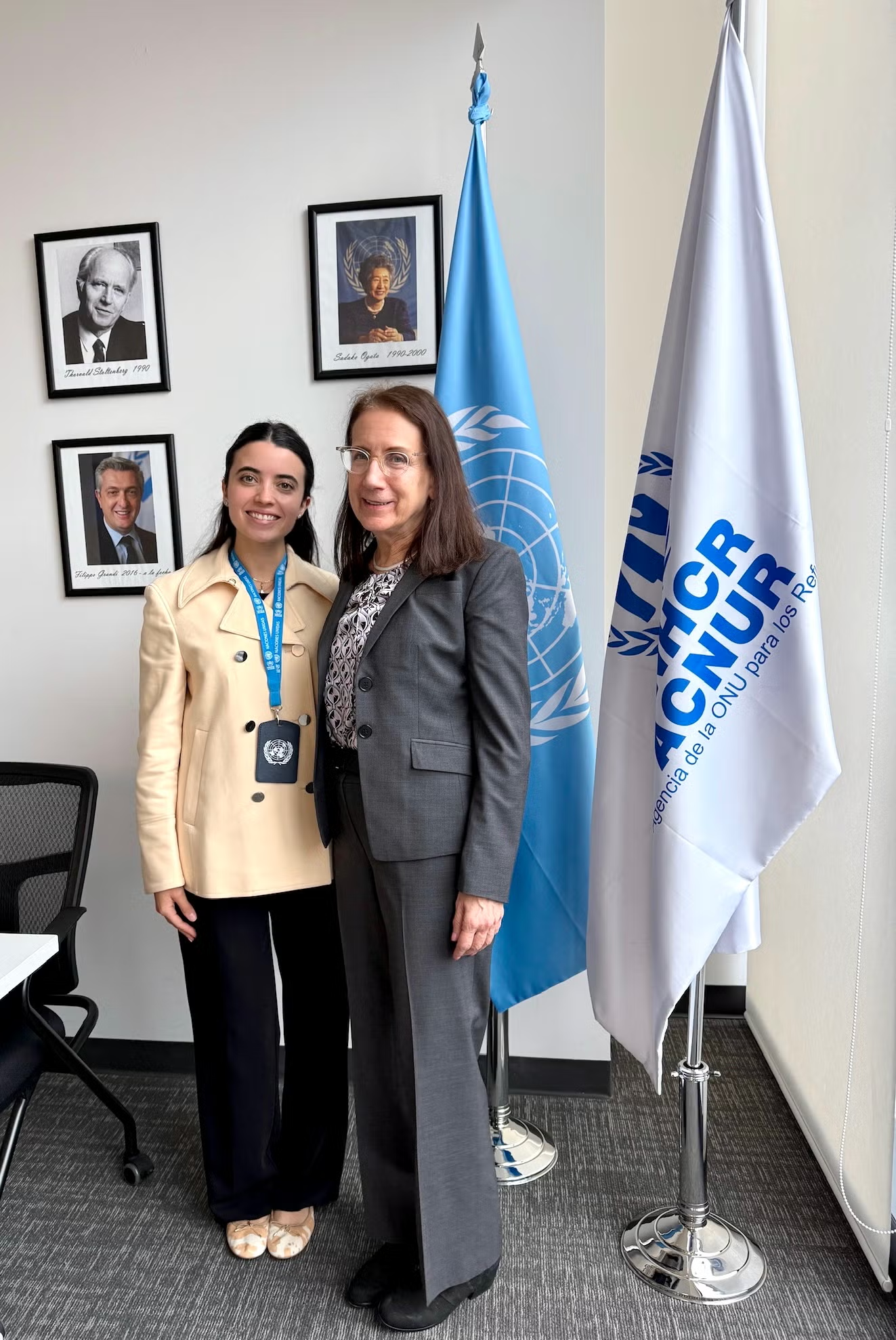
Dahdah complemented her Georgetown experience through meaningful off-campus engagements, including her role as external relations intern for the United Nations High Commissioner for Refugees (UNHCR) in DC. This role provided her with a front-row view of how policy, advocacy and stakeholder engagement in the field intersect.
As part of her summer practicum for the program, she built on this experience by working in UNHCR’s external engagement team in Mexico City. The opportunity to engage with diverse stakeholders, collaborate with local actors and witness first-hand the resilience of migrant communities reaffirmed her commitment to working at the nexus of protection, policy and advocacy.
“My favorite moments were the times spent with the people directly, listening to their stories and learning from them—reminders of why I came to Georgetown in the first place,” Dahdah says.
Dahdah also supported the Mexico component of a Transit Migration research project led by the Institute for the Study of International Migration (ISIM) and Georgetown’s Center for Latin American Studies (CLAS) by engaging with key stakeholders across government, UN agencies, local government organizations and academics in Mexico City.
“As a Mexican national, it was encouraging to see sustained attention to people on the move, even as the work illuminated persistent gaps and operational challenges,” she says.
Since September 2025, she has served as a research fellow for the CEO of the Tent Partnership for Refugees, an organization mobilizing major companies to integrate refugees into the workforce. Dahdah was also selected as a graduate student fellow for Georgetown’s Collaborative on Children’s issues, where she focuses on immigration and child-family reunification.
“Throughout my time at SFS, I’ve oriented my work towards child-centered dimensions of migration to connect policy and practice on an issue that is personally meaningful to me,” she says.
Diving into purpose
Seeing an opportunity to turn a life-saving skill into a lifeline for uprooted children, Dahdah is launching an aquatic safety and swimming initiative to help children build confidence, mental well-being and a genuine sense of belonging with her partner, Mexican Olympic swimmer Jorge Iga: “For youth rebuilding after displacement, sport isn’t a luxury—it’s structure, dignity, and hope. The pool becomes more than a place to learn; it becomes a place to belong.”
For Dahdah, sport restores what displacement takes away: routine, structure, teammates, and the motivation to show up. It plays a vital role in welcoming newcomers, assisting displaced children, and integrating them into Mexican society.
“In one hour each week, safe-sport environments with trained coaches lower isolation, lift mood, and create visible wins you can measure while giving families something to cheer for,” she says.
They are in the early stages of drafting donor proposals, selecting pilot cities, mapping partner-ready sports complexes, and establishing the project’s operational framework, while also beginning informal conversations with potential partners, advisors, and local champions committed to supporting the mission. The initiative’s first focus is to launch in Mexico, a country described by Dahdah as a place where many displaced families are rebuilding their lives.
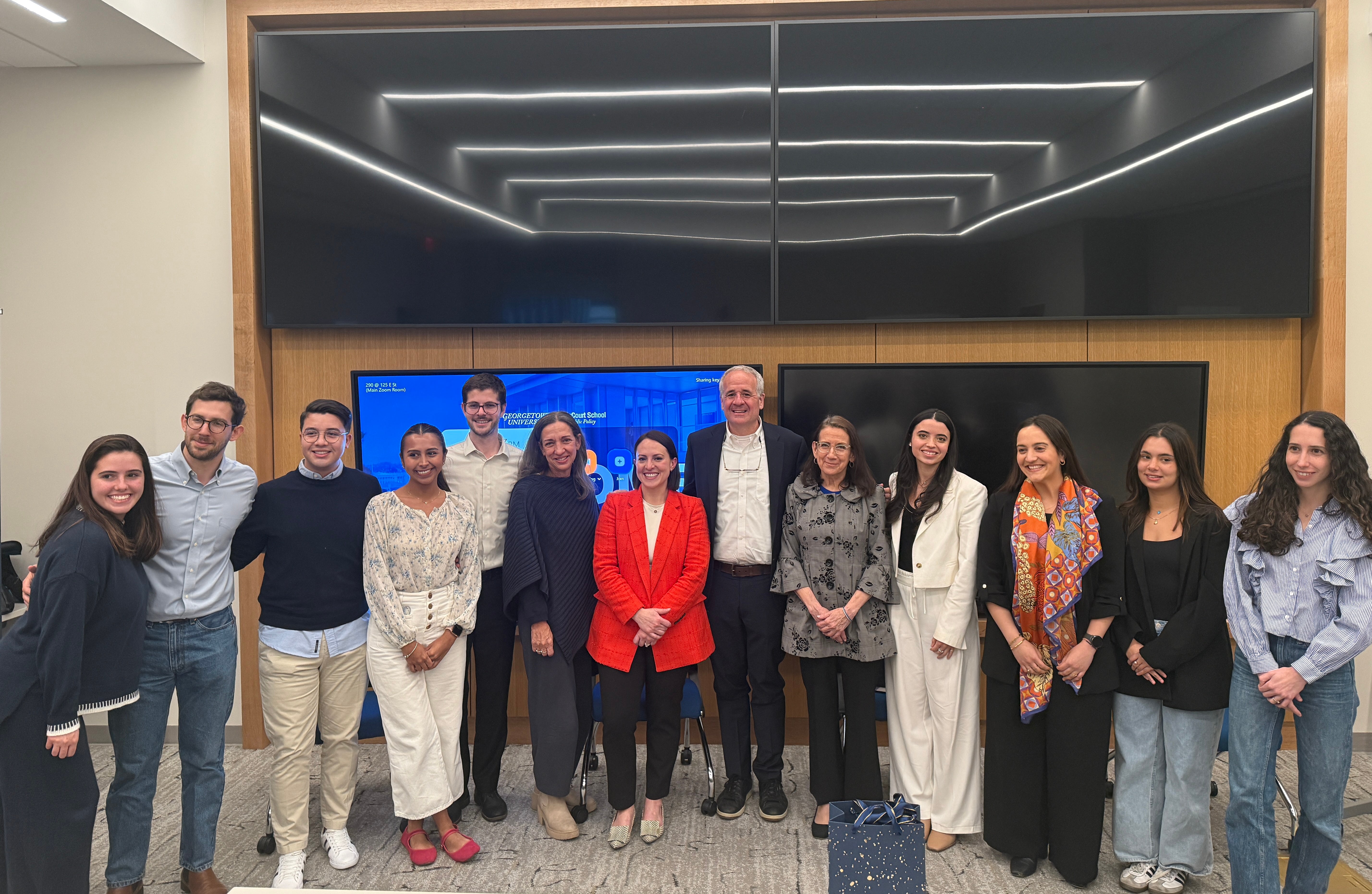
Although she’s ready to embark on this next chapter, Dahdah admits she even considered extending her master’s degree just to stay at Georgetown a little longer. Still, she looks forward to building on the foundation she created during her time at SFS:
“I’ll miss learning from leading thinkers in the field, the constant flow of lectures and conferences, as well as the everyday advantages of being a student—access, curiosity and community. I’ve also come to admire the strength and reach of the SFS alumni network. As I move forward as a Georgetown alumni myself, I hope to stay closely connected to the University and continue building on the relationships and momentum I found here.”