The School of Foreign Service (SFS) instills in its students a commitment to service—an ethos that extends beyond the classroom and into communities at home.
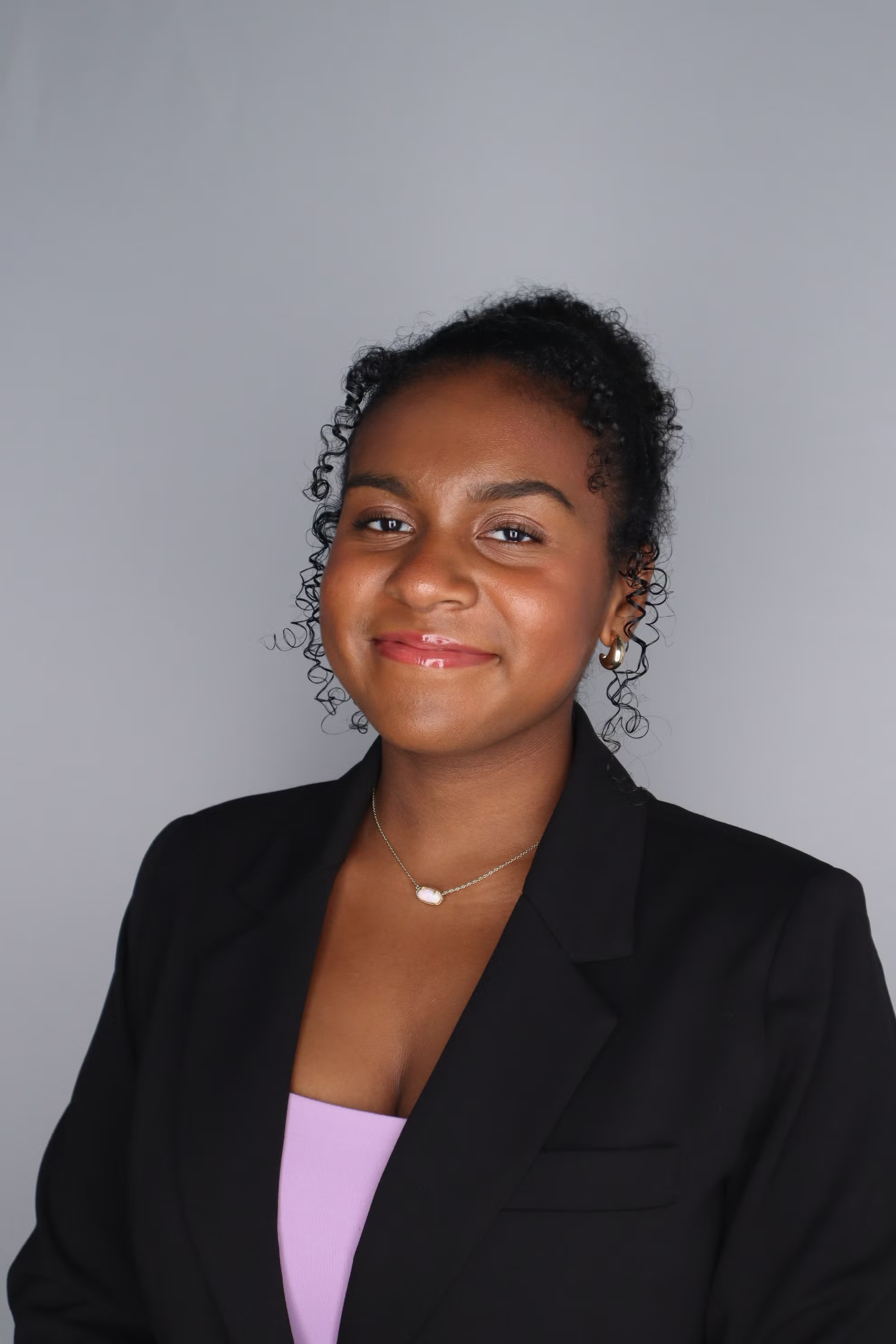
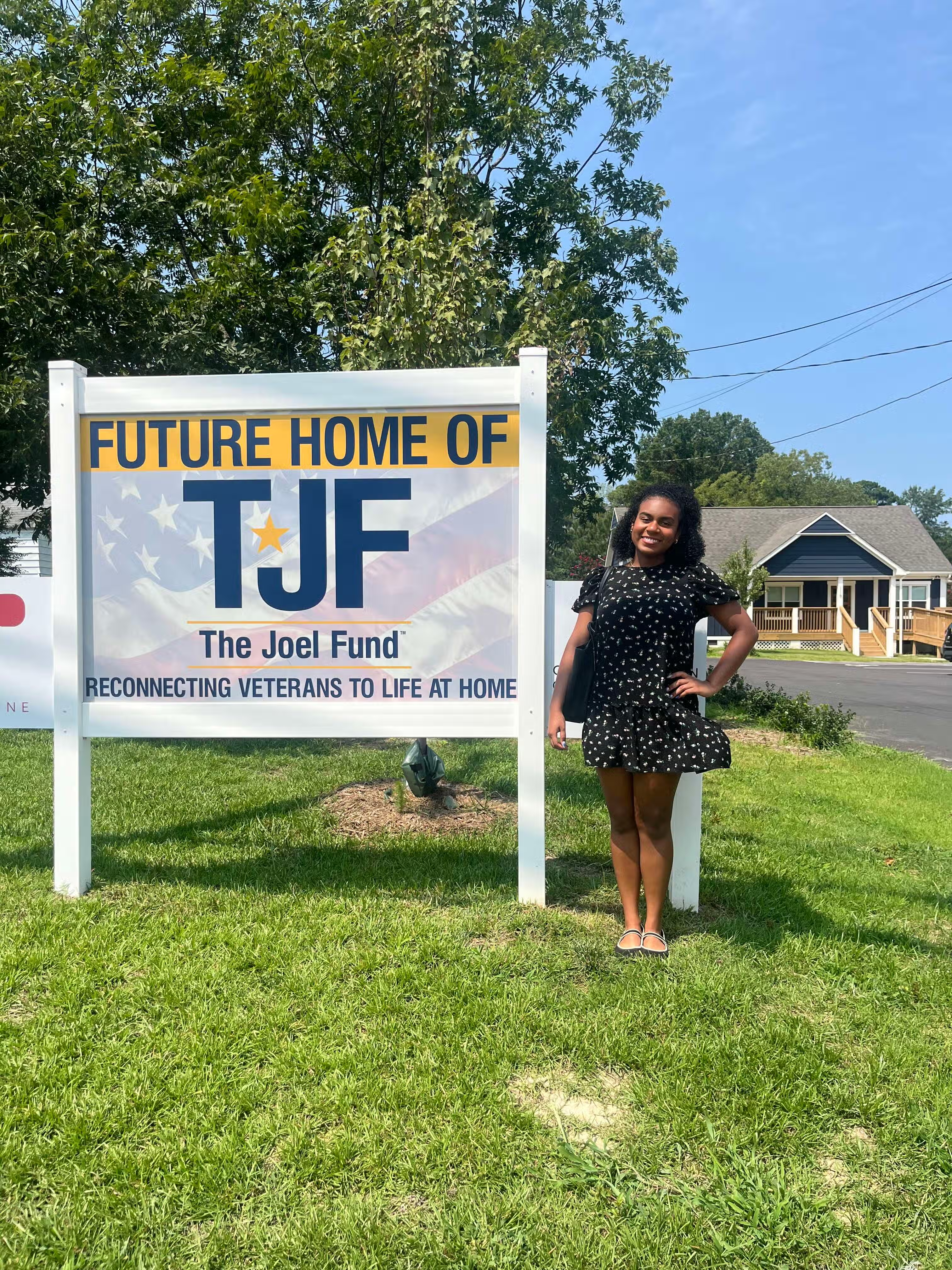
For Emily Austin (SFS’29), an international politics major, that commitment took shape this summer at The Joel Fund, a North Carolina-based nonprofit that helps U.S. military veterans and their families navigate life after service through creative engagement, community support and financial assistance. As an outreach intern, Austin connected constituents with resources and fostered community. Now, she reflects on her experience and the lessons she learned as she prepares to begin her second year at SFS.
Service has always been of immense importance to me. Growing up in a military family and witnessing the service of my father instilled in me the desire to advocate for others. My work at The Joel Fund has significantly shaped my understanding of service through interacting with constituents from different walks of life.
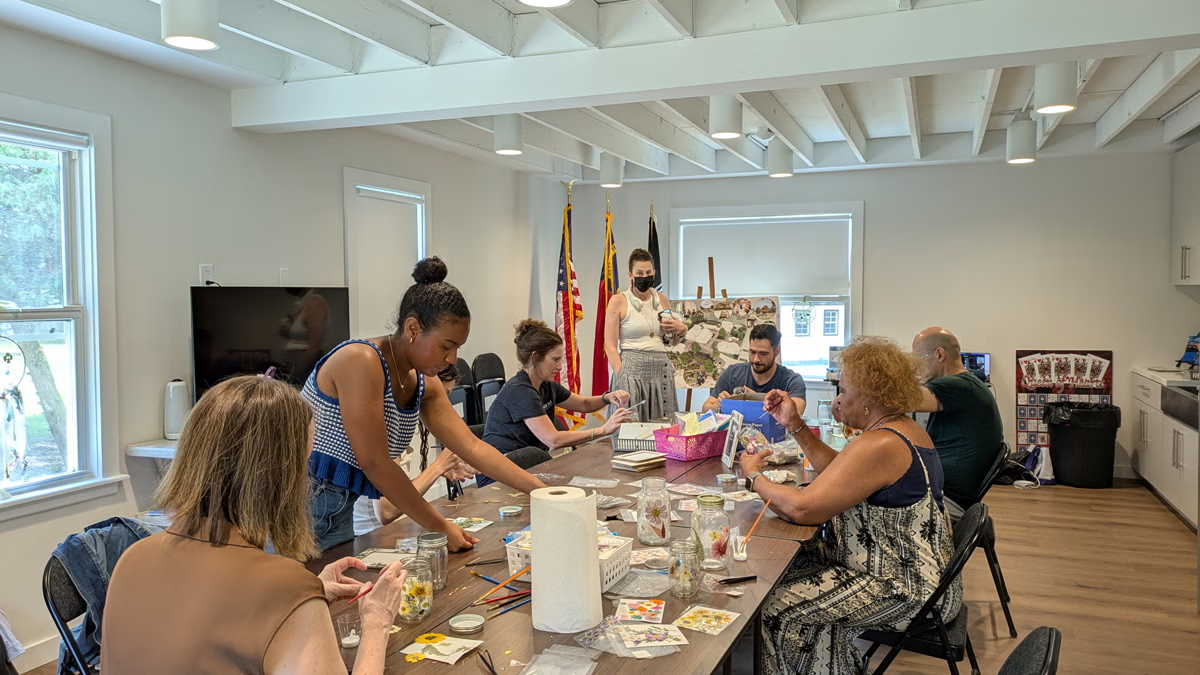
Throughout my time at The Joel Fund, the first-ever veteran’s community center in Rolesville, North Carolina, I have listened to stories from veterans both young and old, have talked to military families with service members who are still serving and have helped individuals who only have the military legacy of their loved ones on which to reflect. I realized that being a strong leader means being able to serve those who are different from oneself without hesitation, leading to a greater sense of community.
From local stories to policy impact
Learning the story behind the founding of The Joel Fund greatly motivated me to continue listening to the needs of the community around me. The Joel Fund’s founder created the organization in honor of her father’s military legacy, seeking to find creative solutions to helping veterans cope with the transition to civilian life. Hearing the founder’s story inspired me to find unique ways to advocate for military families and to value the service, legacies and lives of all who came before and who will come after me.
Working with veterans and military families has also deepened my passion for incorporating real stories into policy. I have worked with veterans and military families who have difficulty accessing healthcare and educational benefits, and many also face financial burdens after transitioning to life after military service. Sadly, many military families are also unaware of the help available to them. When I reflect on the attention that veterans and their families receive, I realize it is often inadequate compared to the vast needs of this group.
Given that The Joel Fund is the first-ever veteran community center in my town, it highlights the scarcity of resources even in a location densely populated by veterans. Witnessing the enthusiasm of the mayor, elected officials and state representatives who supported the creation of The Joel Fund has shown me that our local, state and federal policies need to better support those who serve us. I believe the most effective way to advocate for our military families and veterans is to support organizations through community engagement and elevate their stories to a larger stage.
Translating classroom skills into real-world action
As I reflect on my first year in the SFS, my studies prepared me to be concise and effective in my writing and communication. My International Relations class in the spring semester challenged me to prepare and execute essays under time constraints, all while arguing my policy position and communicating clearly. This skill was invaluable to my work at The Joel Fund, as I worked to communicate succinctly with constituents, supervisors and community partners to get veterans and families the support they needed.
“I realized that being a strong leader means being able to serve those who are different from oneself without hesitation, leading to a greater sense of community.”
Looking forward with purpose
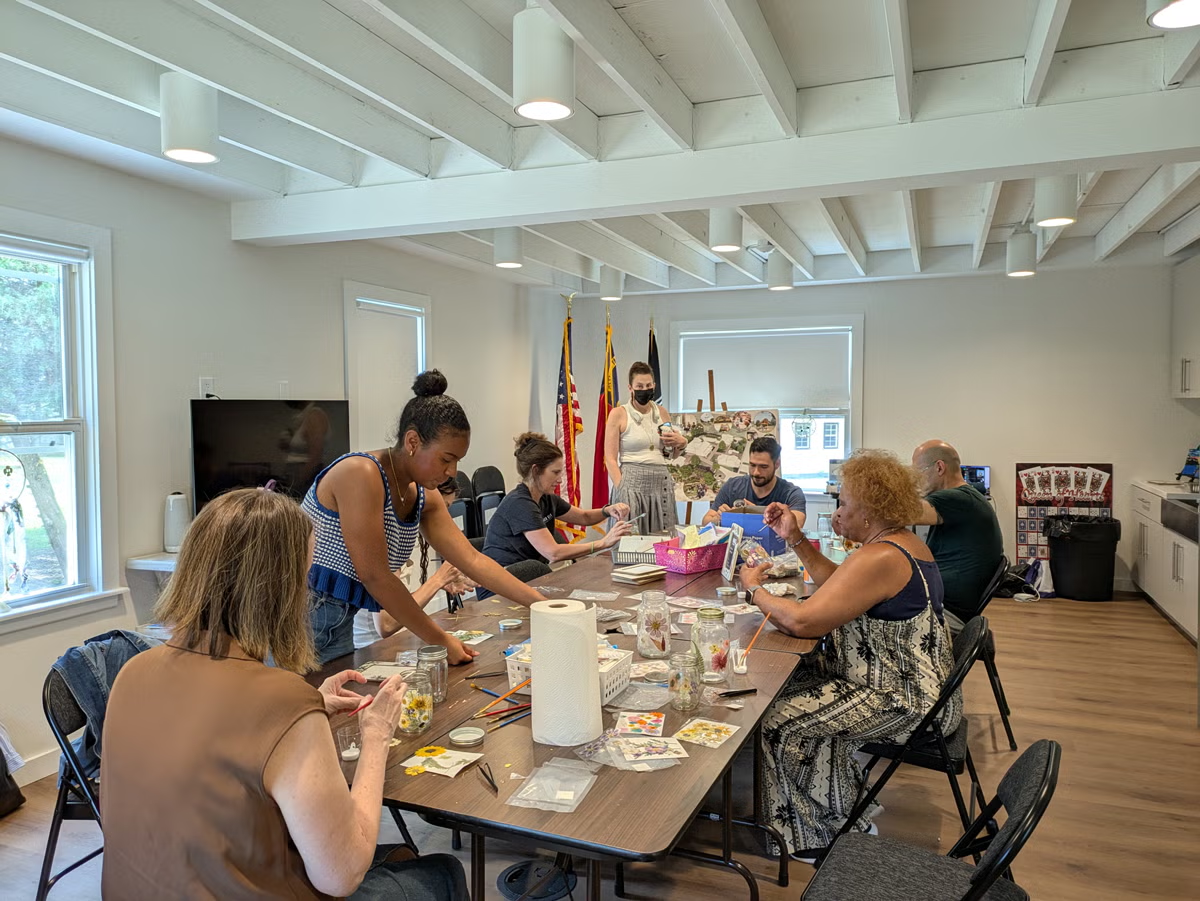
Looking ahead to the upcoming academic year, I remain steadfast in my desire to foster connections and make space for people to share their stories. At The Joel Fund, I helped support a mission of creating spaces for intentional connections and conversations. A memorable event I witnessed was a round-table discussion about resources for female veterans, who often do not get the same treatment as male veterans. I was impacted by the creation of a safe space that elevated the voices of female veterans and hope to continue building spaces like that during my time on campus.
Additionally, I was also able to spearhead a resource fair that provided military families with resources for their children and teens and gave space for dialogue about an often overlooked group within the military-connected ecosystem. Through my comprehensive investigation of educational resources and social enrichment programs, I realized that many veterans and their families are unaware of the opportunities they are eligible for, given their service. As I worked to improve literacy surrounding benefits and resources, it reinforced my commitment to my personal goal of ensuring military families are equipped to thrive and succeed. I feel empowered that, upon my return to campus in the fall, I will seek opportunities to showcase local DC resources and opportunities for military families.
Finally, my advice for new freshmen is to pursue an internship you are genuinely interested in and passionate about, not just one that reflects well on your résumé. I had applied for countless internships, jobs, government programs and summer intensives, yet I ended up serving in an internship role that had huge personal significance to me. As a freshman, it can feel overwhelming and daunting to search for internships, but my recommendation is to stay true to your values and passions and let that guide the internship search. For me, it was more important to feel that I truly served and had an impact rather than to have an internship experience on my résumé that did not make a difference.
I also encourage freshmen to follow up with any networking opportunities an internship provided and showcase gratitude to mentors and supervisors. That could look like sending thank you notes, providing an update email after the experience is over or even gifting something small to a mentor that was truly impactful. It never hurts to show kindness and gratitude to those who have invested in your growth!